Generative AI
AI tools represent the sum total of human learning and achievement — every image ever made, every word ever written, compressed into something you can prompt. In theory, they can render anything, any way you like. But what do you ask for? The work here started in late 2022, as soon as Midjourney V4 was released. Nobody in the industry knew what to make of it yet, but the possibilities were clear and worth pursuing. That effort became the presentation at the bottom of this page, given to Showtime’s design group in December 2022.
The practice has evolved. AI-generated comps mapped out visual directions before a camera was ever booked, and were later rebuilt into the final key art. Now AI enters the process earlier — absorbing marketing briefs, meeting notes, and transcripts to help shape strategy before creative development begins. It pressure-tests concepts. Reference imagery that once took days to find or commission can be generated in minutes. It surfaces options that would have been cost-prohibitive to explore through traditional production. The result is a broader range of creativity, faster iteration, and decisions made with greater confidence.
What you’ll find here is a mix of commercial work and open-ended personal exploration — projects with no brief, no client, no deadline. The common thread is that none of it starts with the tool. It starts with a question, a problem, or a point of view — and uses the tool to pursue it.
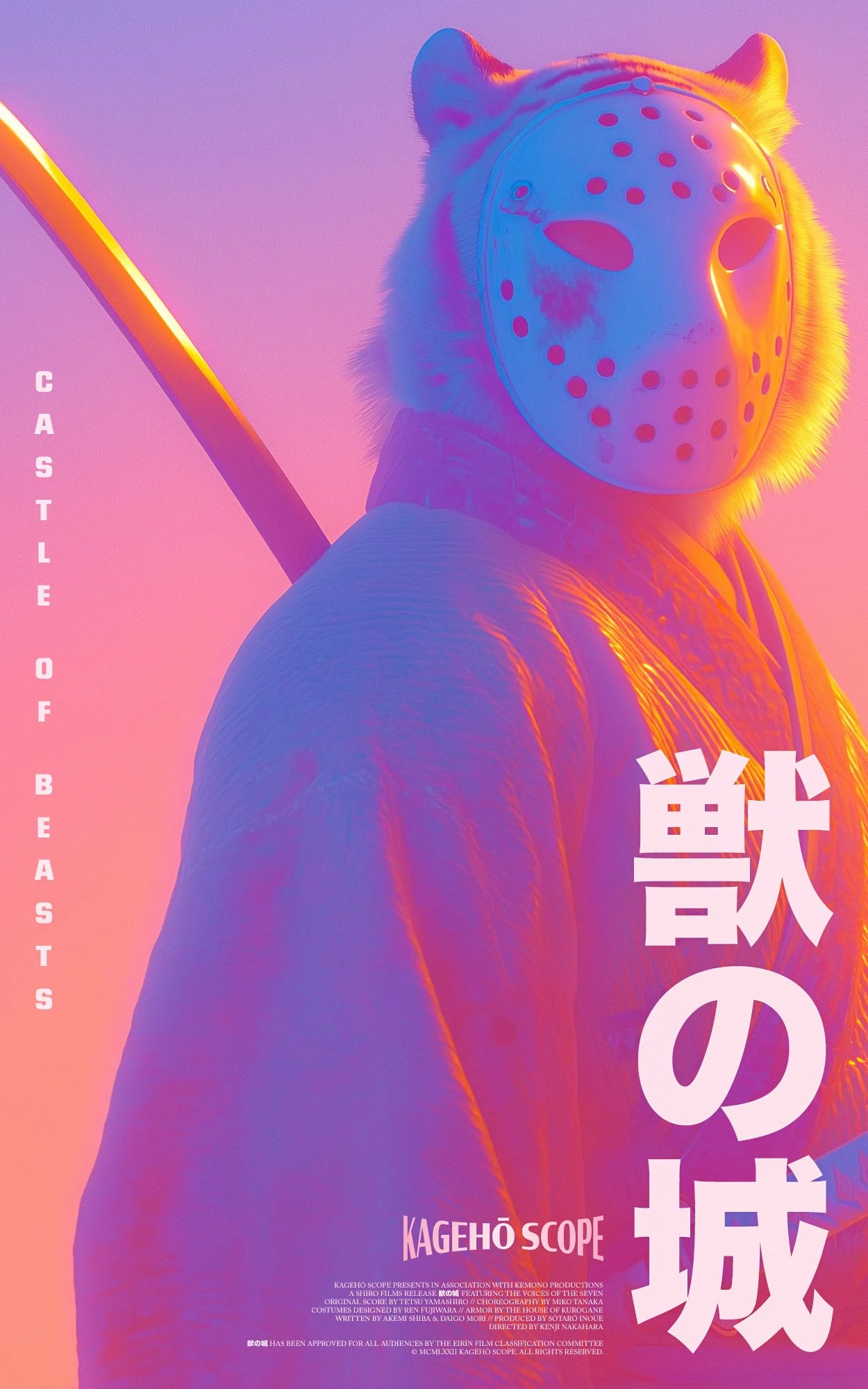
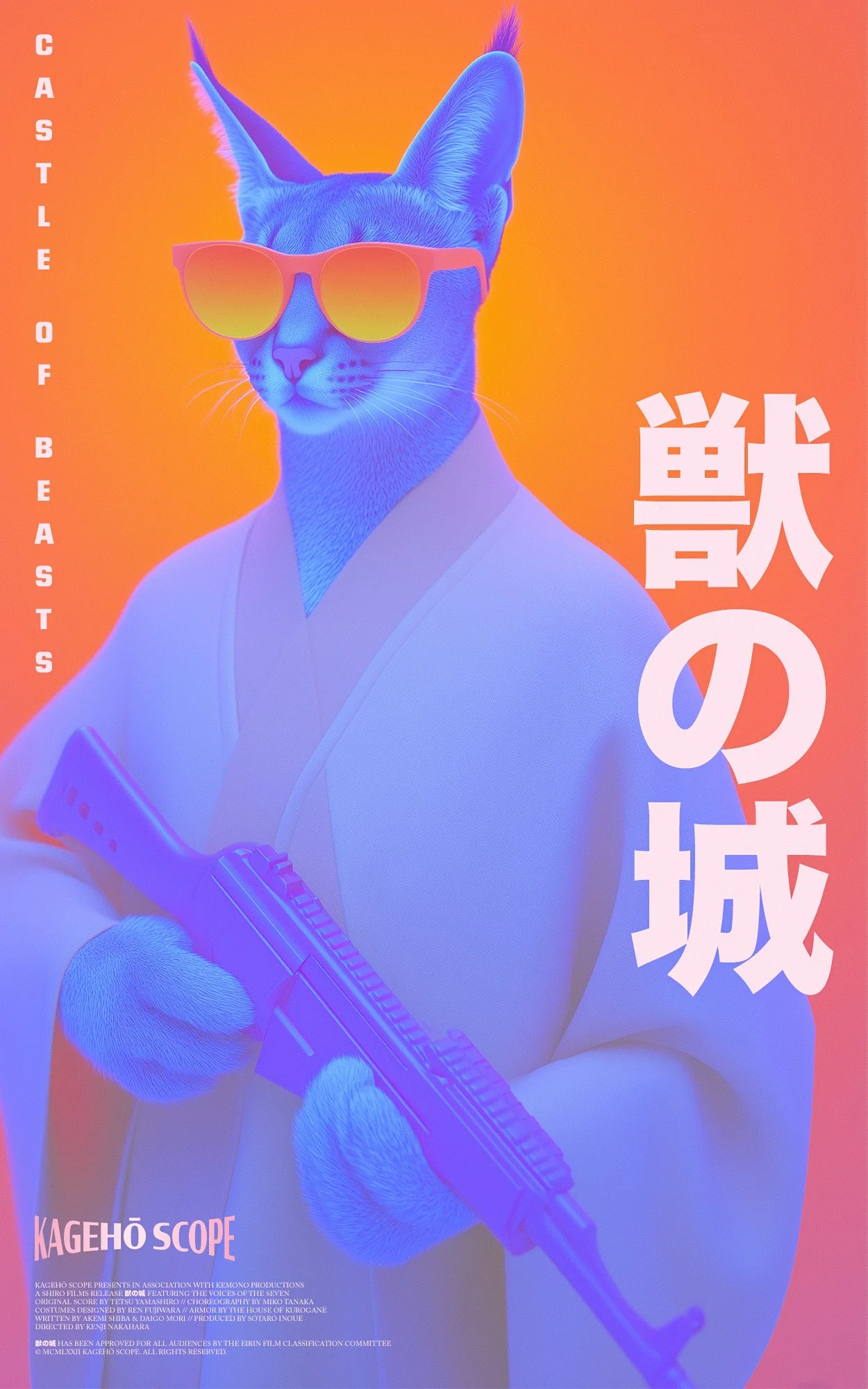
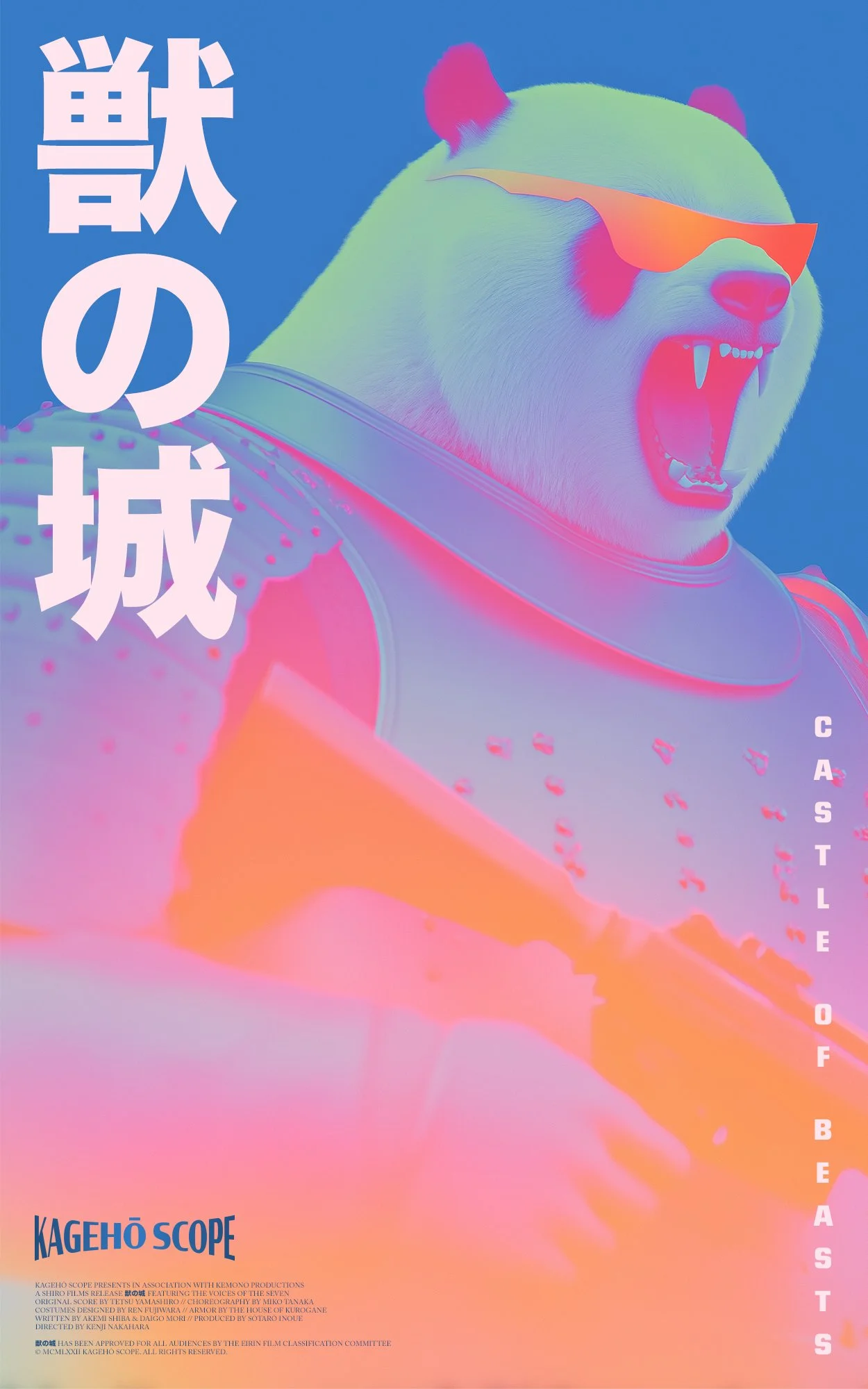
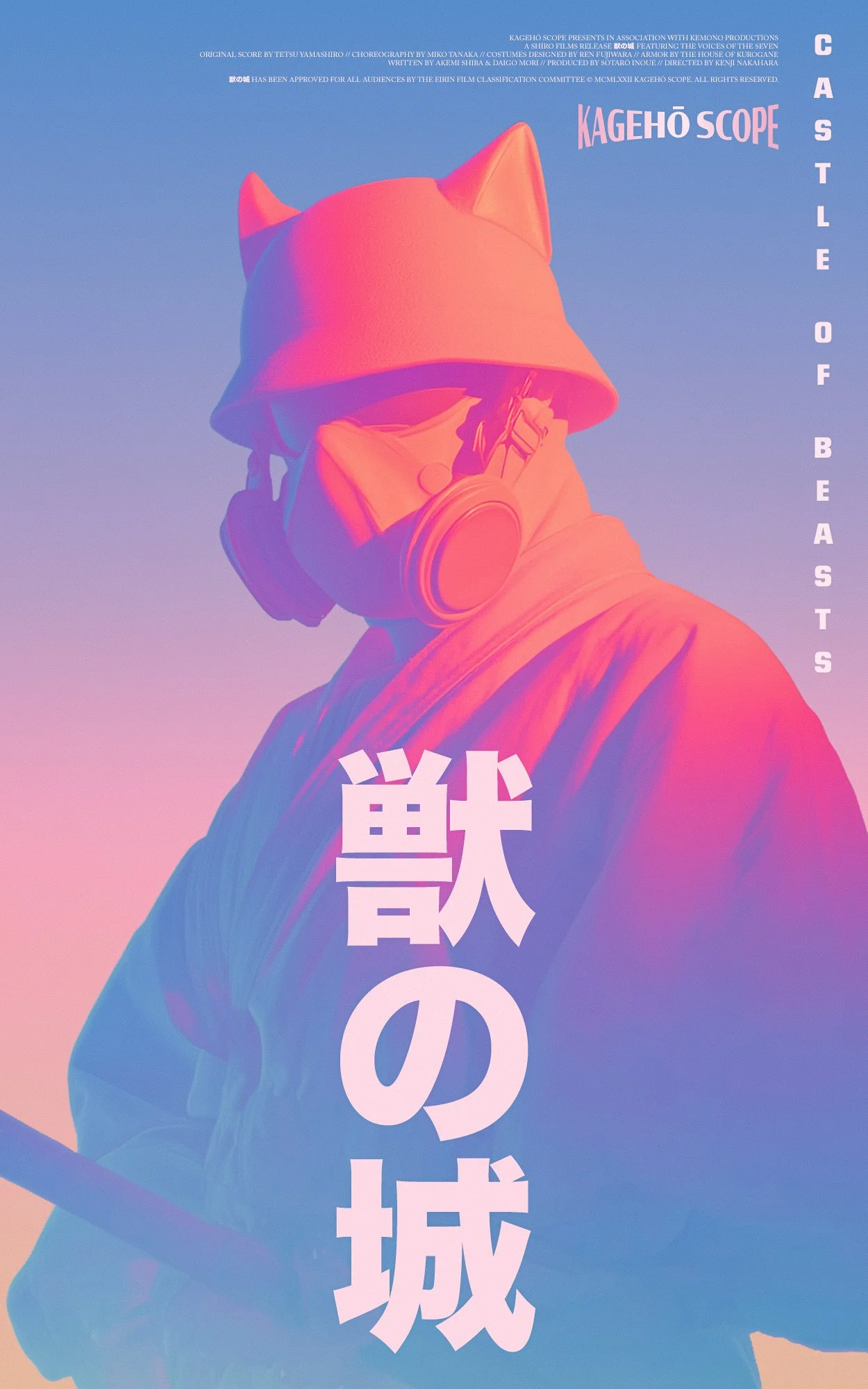
Castle of Beasts (獣の城)
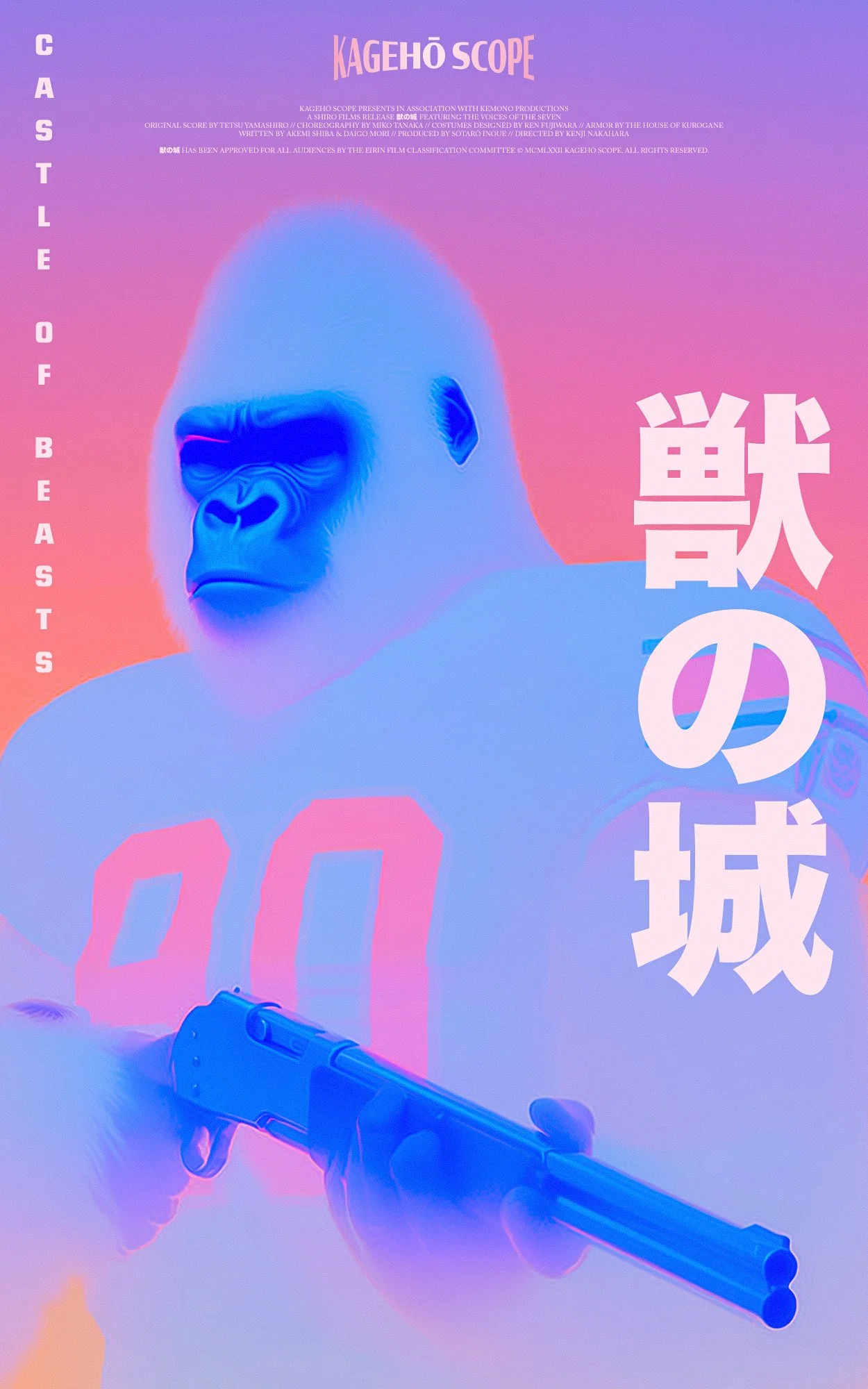
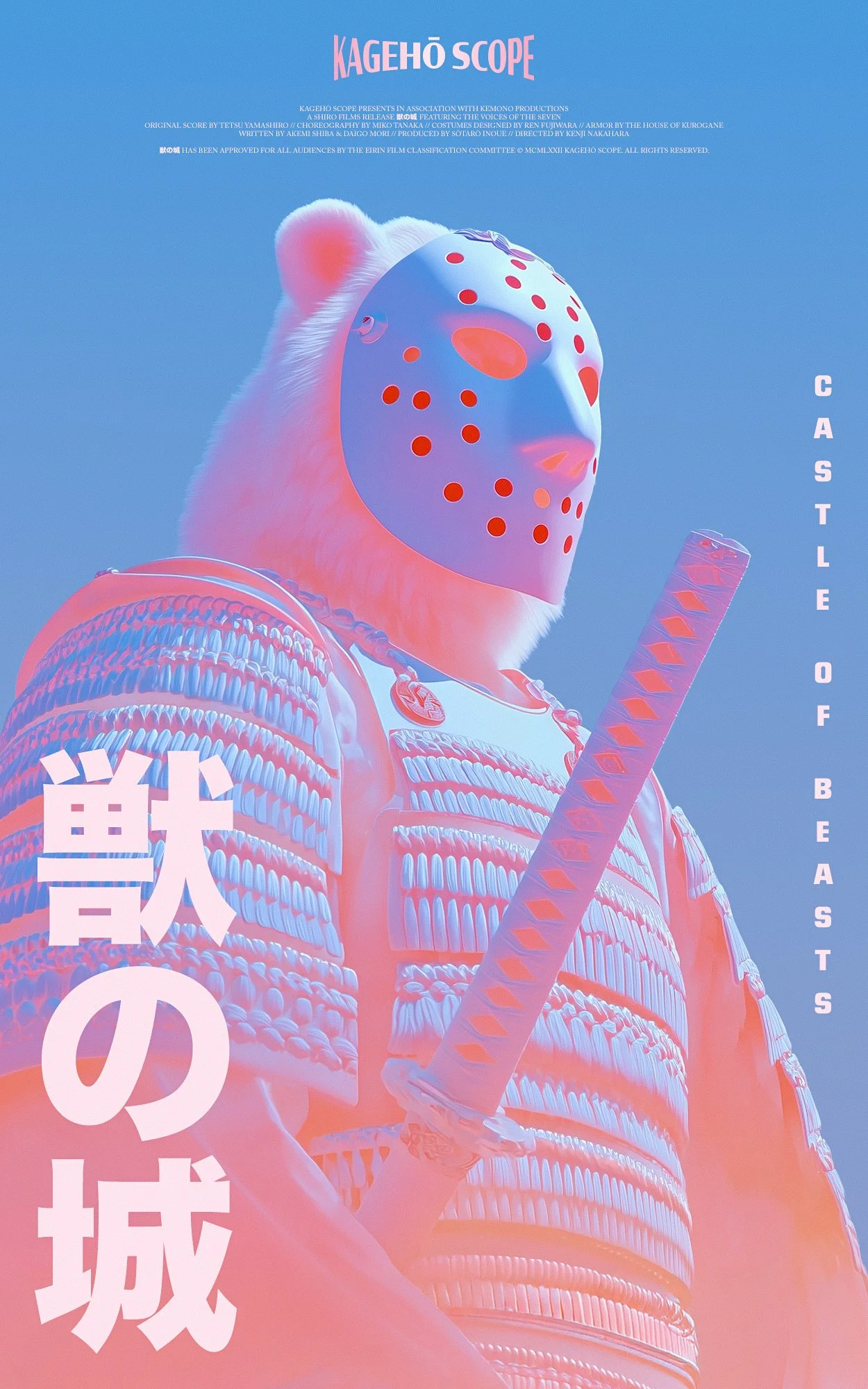
A fictional franchise — character posters, studio identity, billing blocks, and all. Each poster was started in Midjourney using a bespoke moodboard, with Claude handling Japanese text and copy throughout. The ensemble was conceived in the spirit of The Magnificent Seven — distinct archetypes, each one carrying a story the posters only hint at. Who are these figures? Why does that caracal have Muppet hands? Why is that bear wearing a hockey mask? The images don’t explain. They just make you want to know. The result is a complete visual artifact: something that feels like it was pulled from an alternate timeline where a prestige Japanese action studio made exactly the kind of cinema you wish existed. Kagehō Scope presents:
The Perceivants – Title Treatment
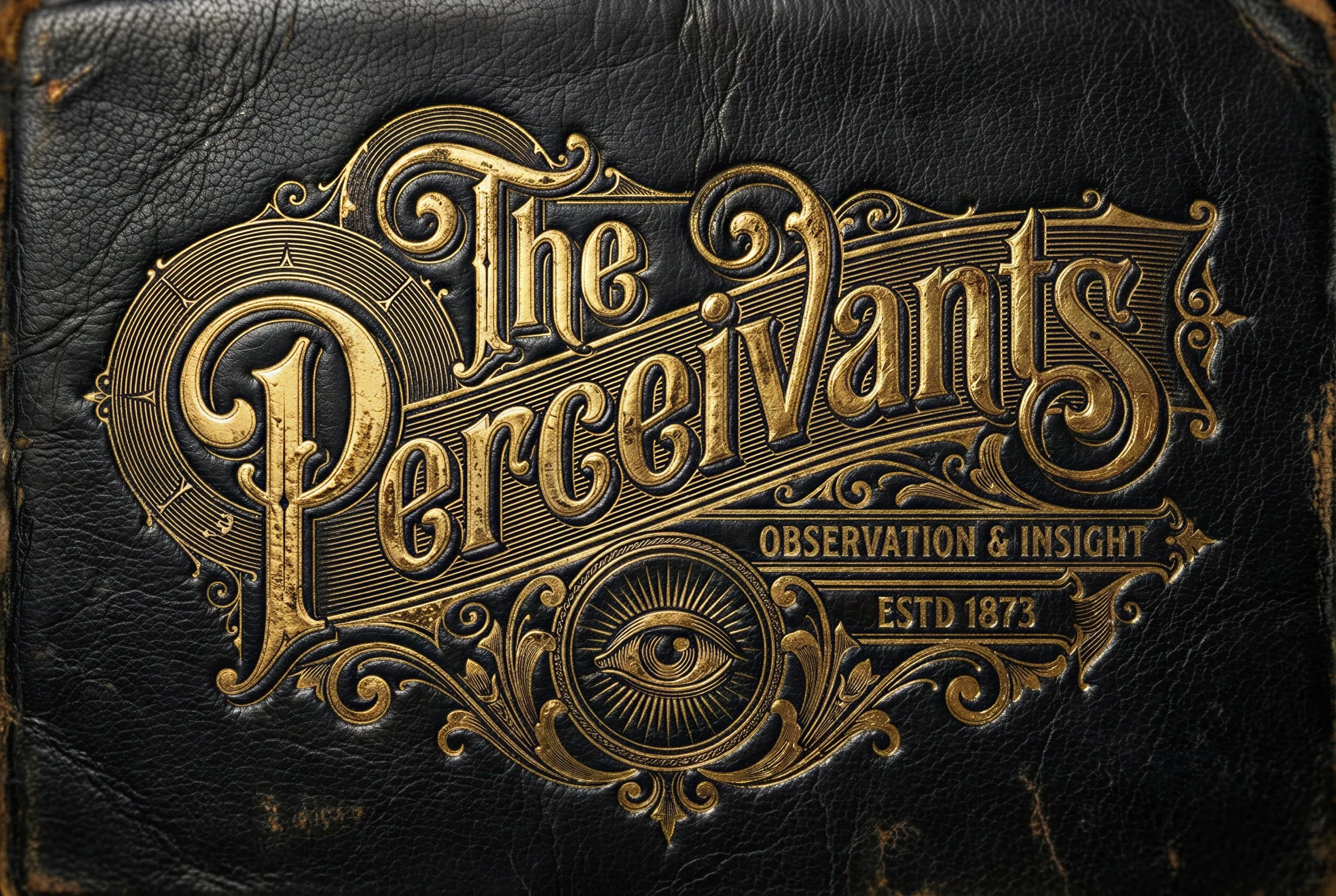
AI is notoriously bad at type. Broken letterforms, hallucinated glyphs, characters that almost look right and don’t. The Perceivants was a challenge to that limitation — an exploration of what’s possible when AI-driven type design is pushed with precision and intent. Built entirely through image prompts in Weavy. No photography. No illustration. Just disciplined direction and a title treatment that holds together.
Hysterical – Episodic Key Art
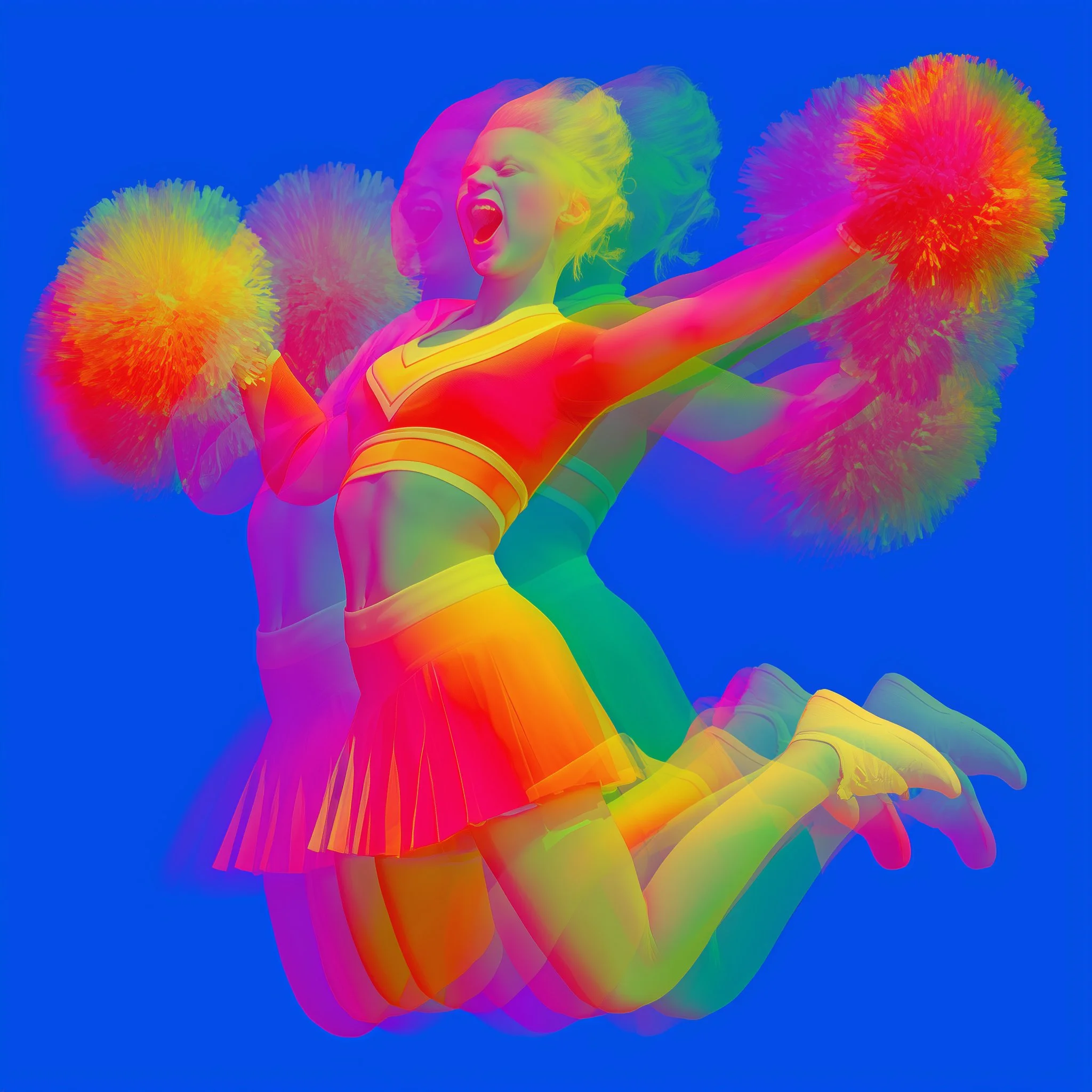
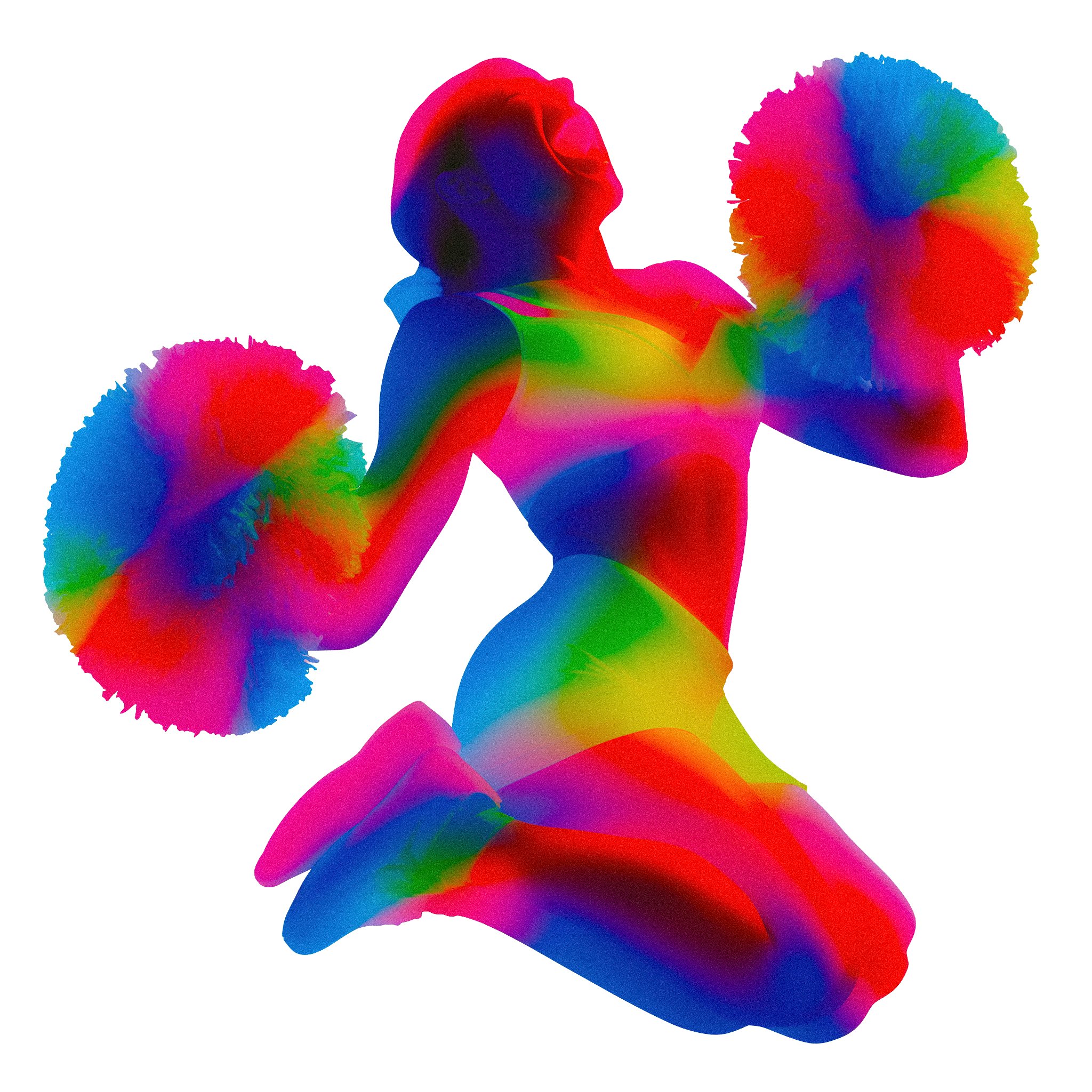
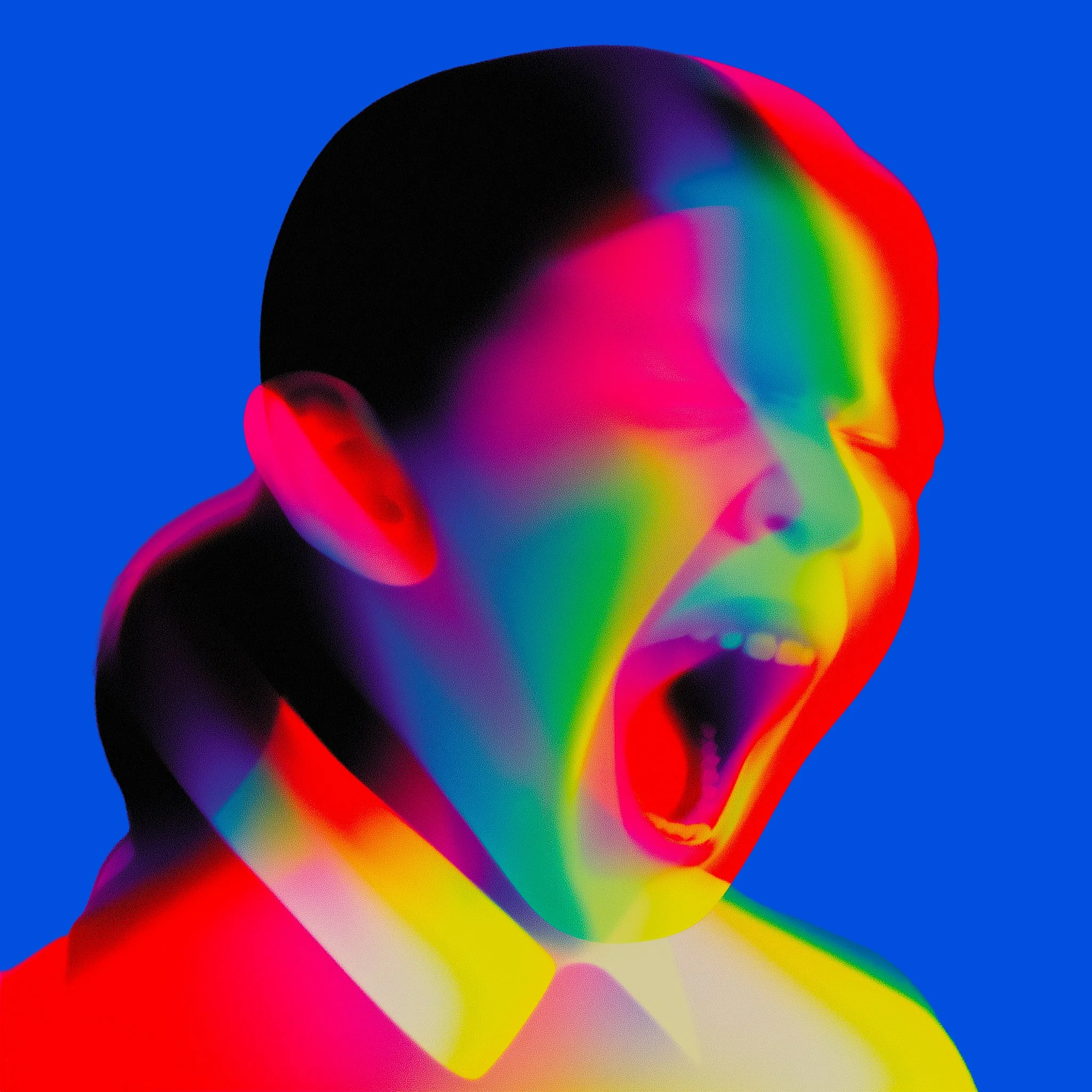
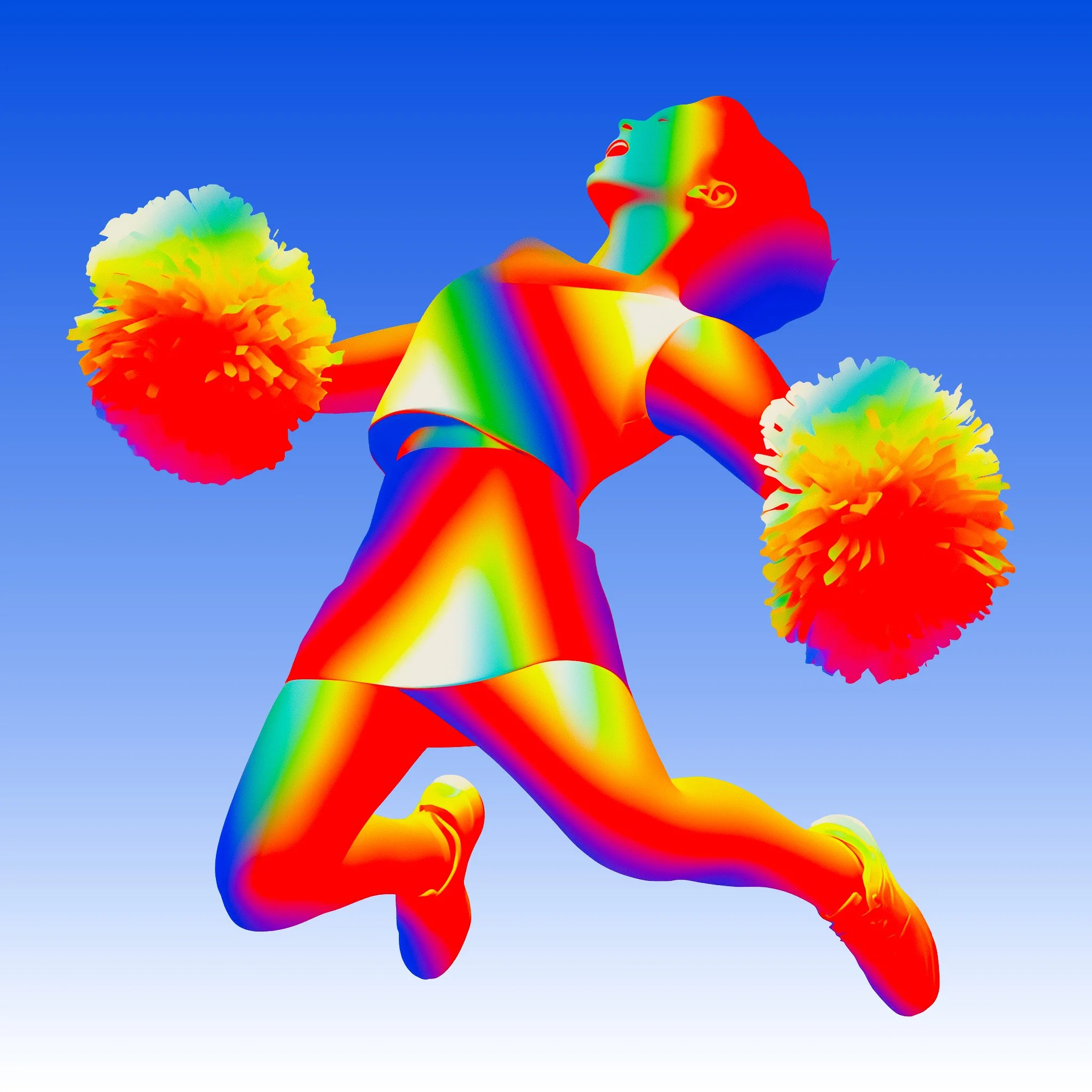
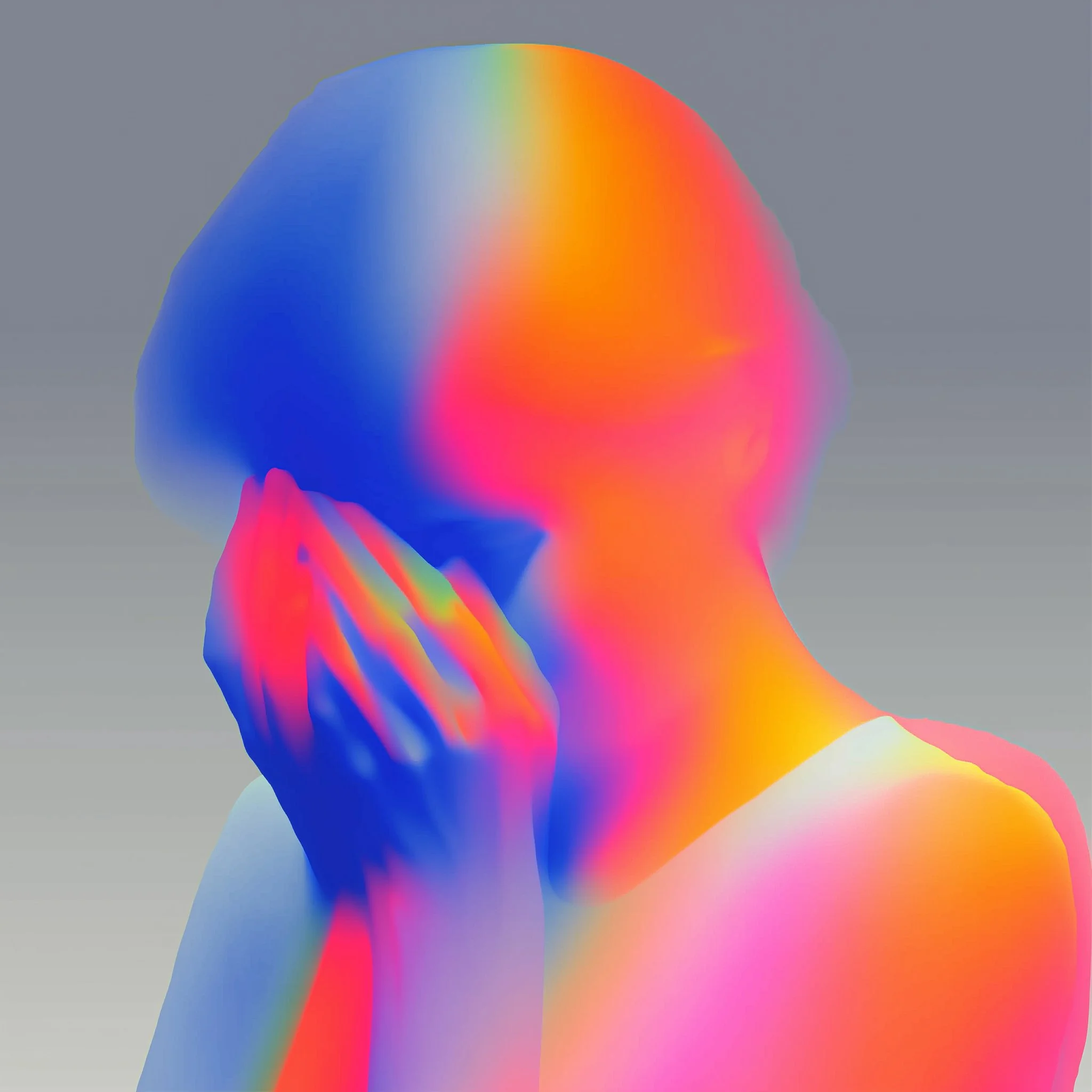
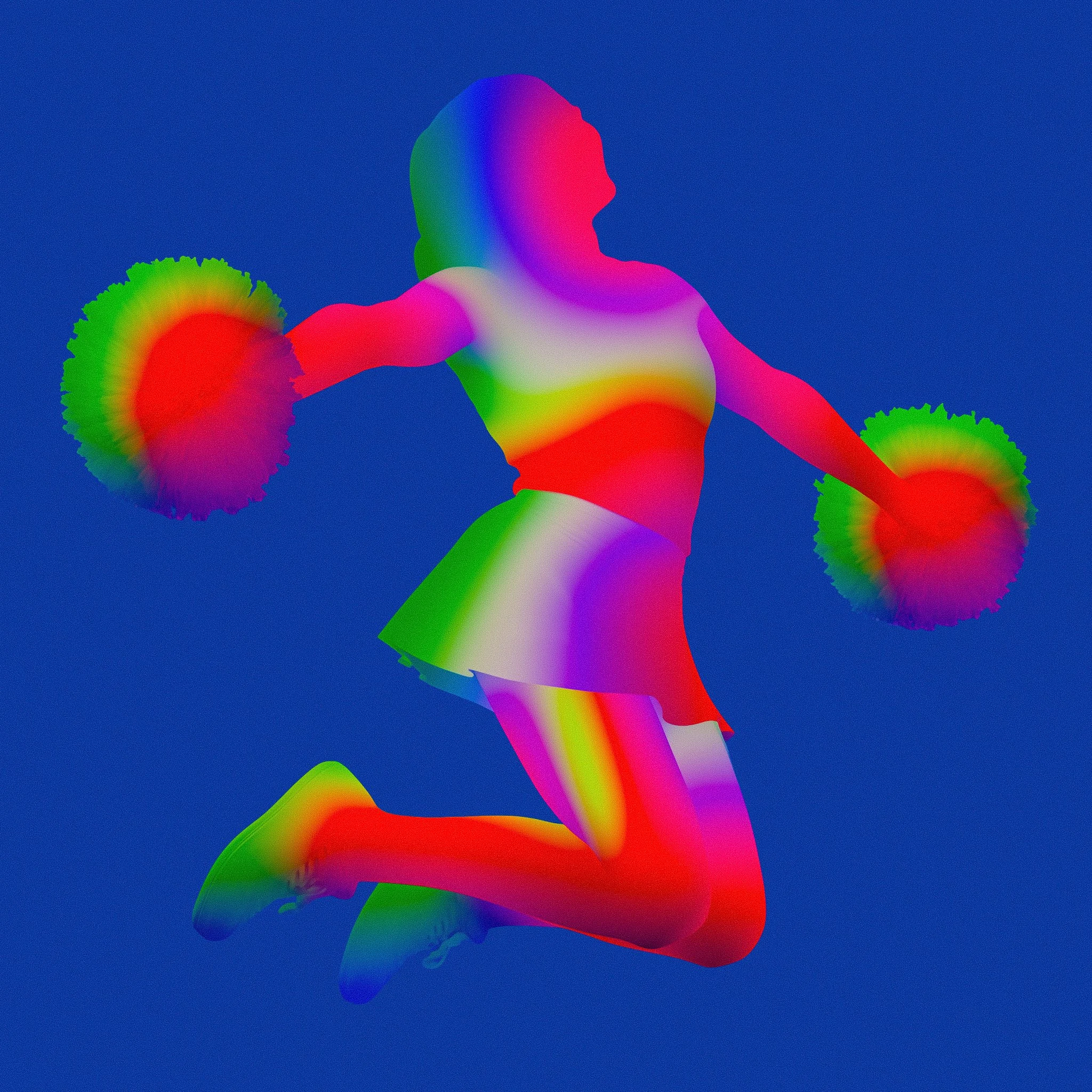
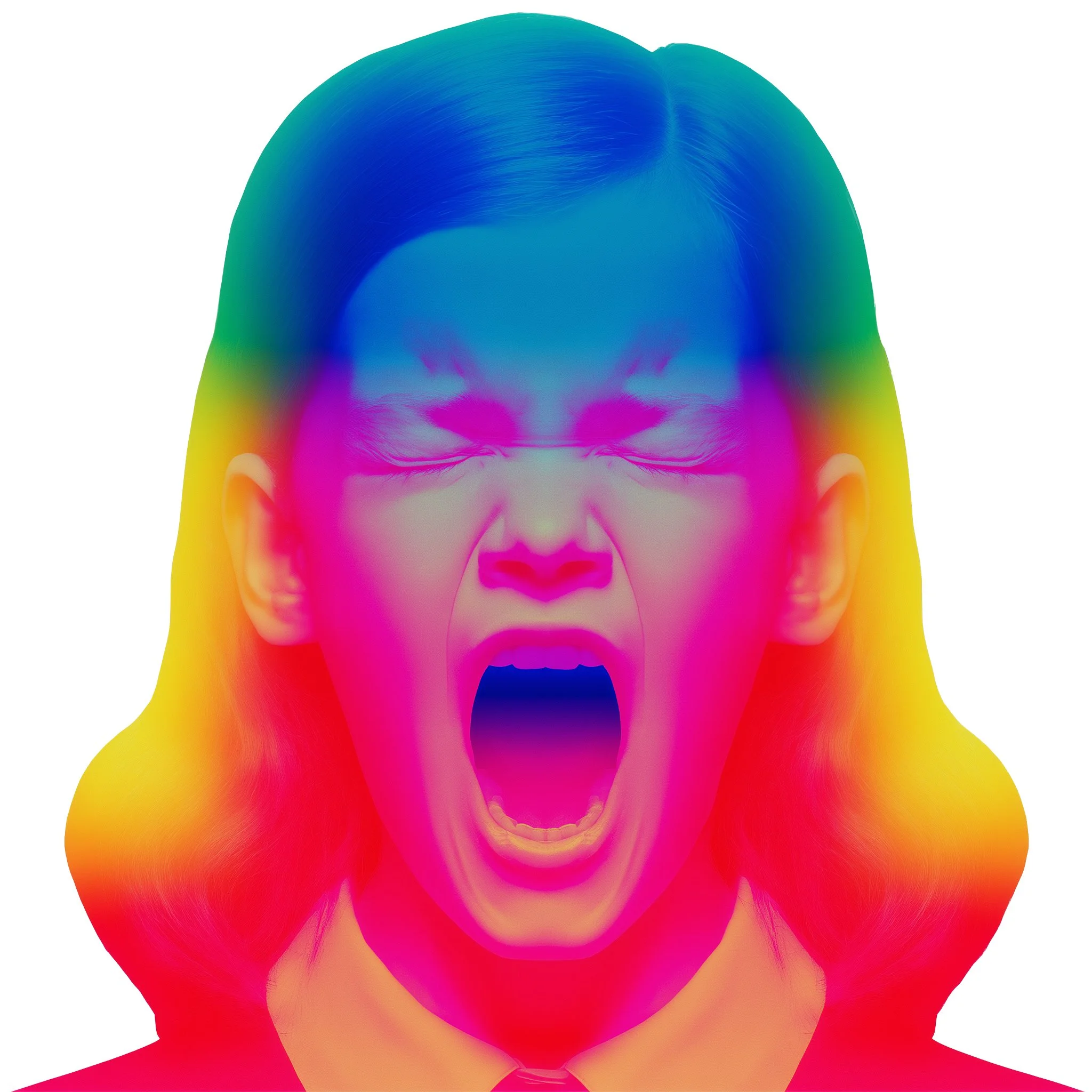
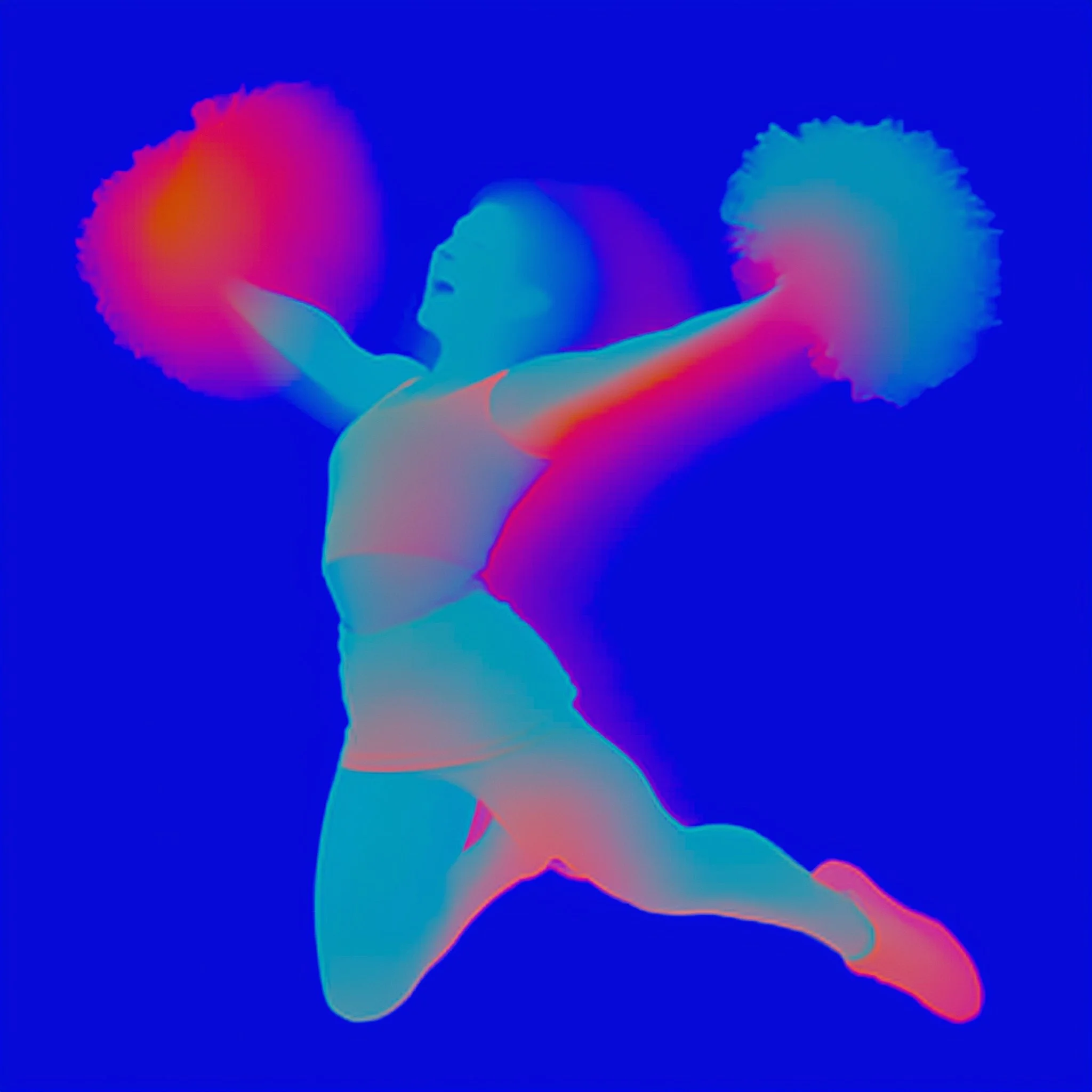
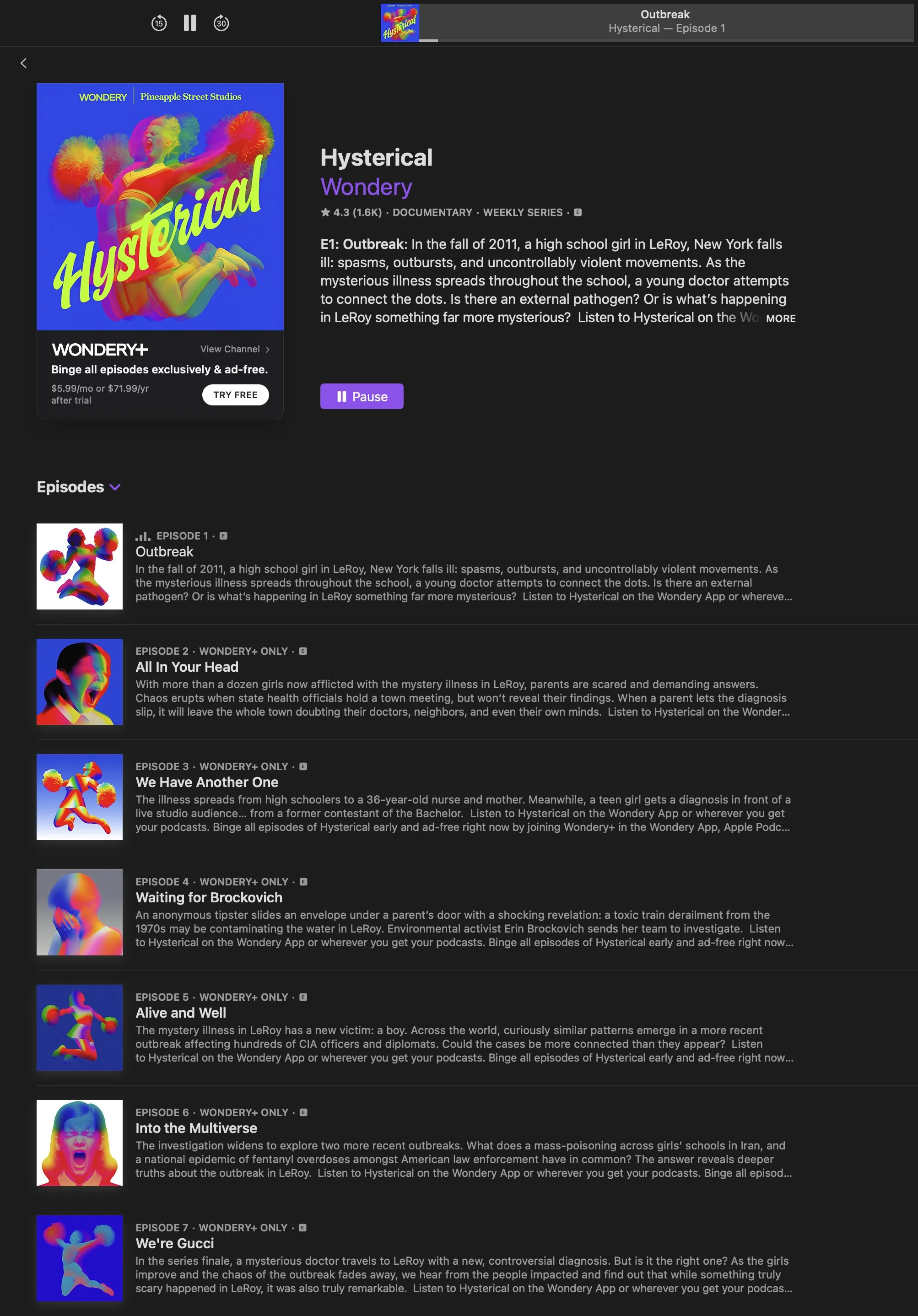
For Wondery’s award-winning investigative series about a mass psychogenic illness that spread among high school girls in LeRoy, New York, the challenge was making the invisible visible. Using Midjourney’s Moodboard feature, thermal imaging aesthetics and saturated rainbow gradients transform human figures into heat maps of psychological distress — bodies becoming pure sensation, pure emotion, pure symptom.
The deliberate abstraction serves the show’s central mystery: when physical symptoms have no physical cause, how do you picture what’s real? These images refuse easy answers. They’re clinical and dreamlike, scientific and surreal. The cheerleader figures, mid-leap and mid-scream, become specimens and spectacles simultaneously, their bodies radiating chromatic intensity that suggests both a medical scan and emotional overflow.
This approach honored the experiences of the LeRoy girls while avoiding exploitative literalism. Rather than depicting “hysteria” as performance or pathology, the imagery treats their symptoms as legitimate phenomena worthy of serious investigation — something measurable, observable, undeniably present, even when inexplicable. Key art that feels as unsettling and urgent as the questions the podcast explores.
Pornography Press Campaign
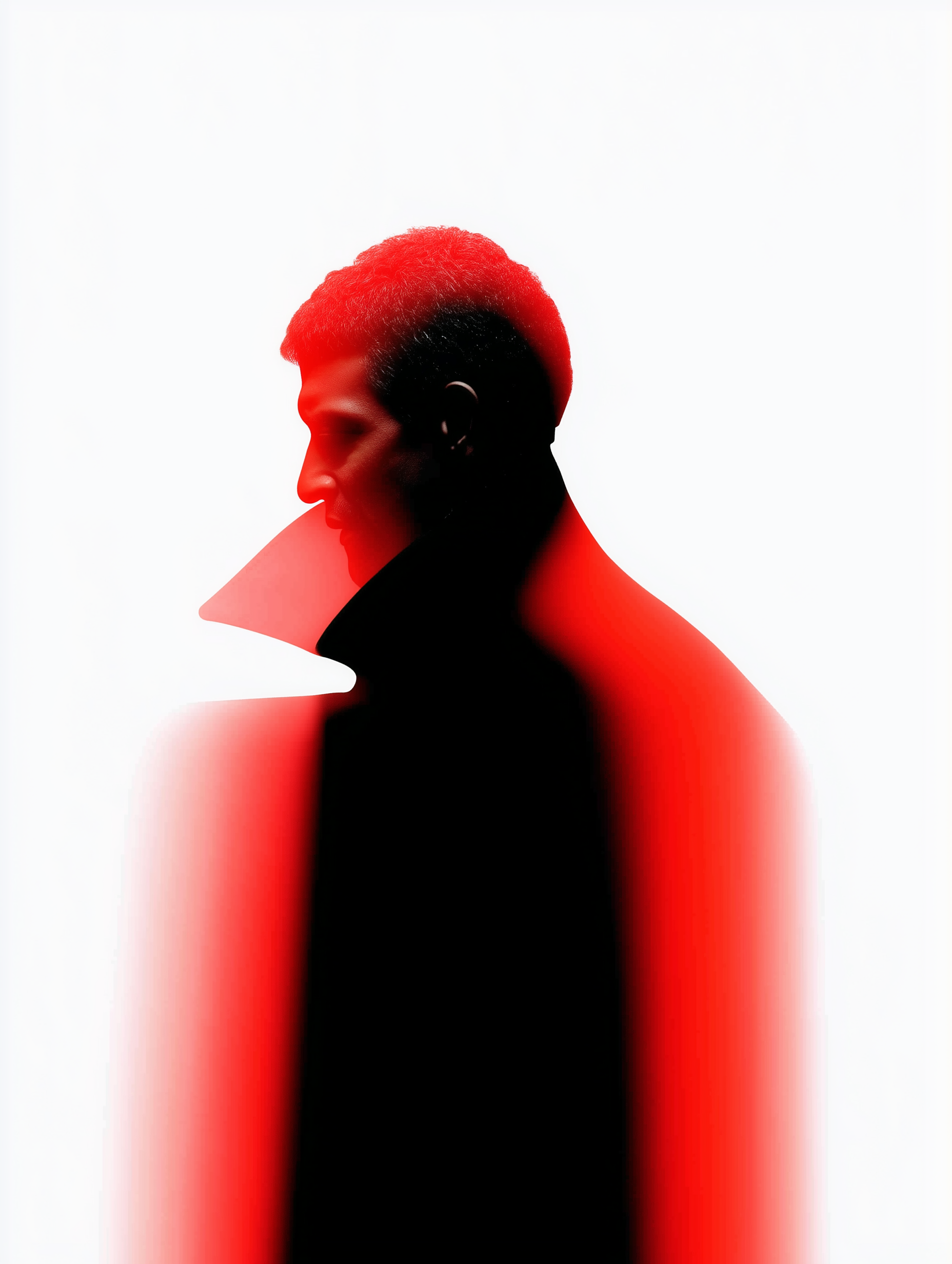
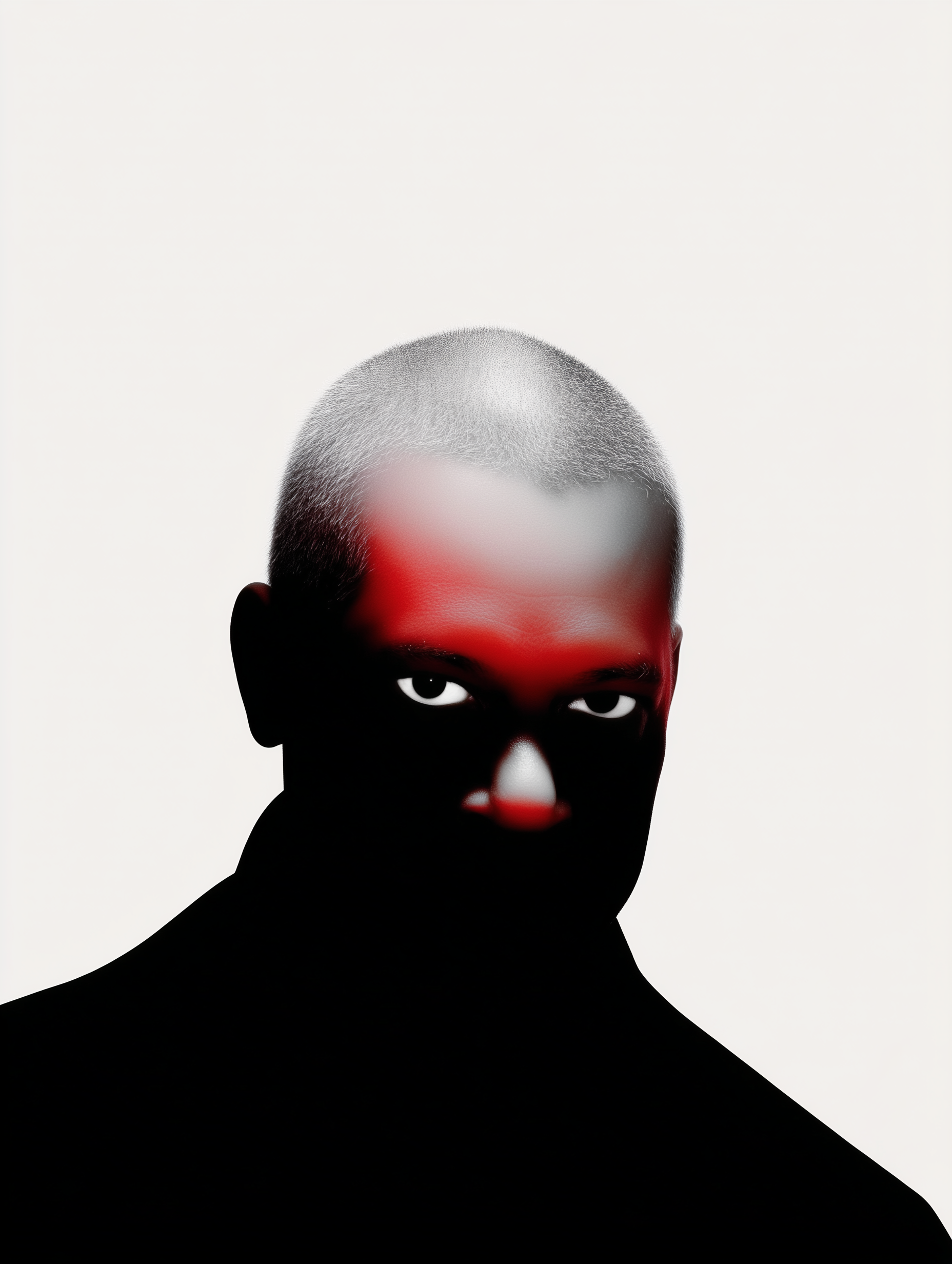
Red and black. The band’s entire visual identity in two colors. The brief wasn’t to create atmosphere. It was to enforce a system.
These press images translate Pornography’s palette into photographic language. High-contrast lighting. Strategic color application. Figures enveloped by shadows rather than posing in front of them. The red isn’t mood lighting. It’s brand DNA made visible. Traditional gels can’t reach this territory. Generative AI can.
Restricting every image to two colors builds consistency that works everywhere — editorial, digital, print, black-and-white. The discipline is the point. Identity isn’t what looks cool in the moment. It’s what holds together across every application.



Comedian Concept + Medium
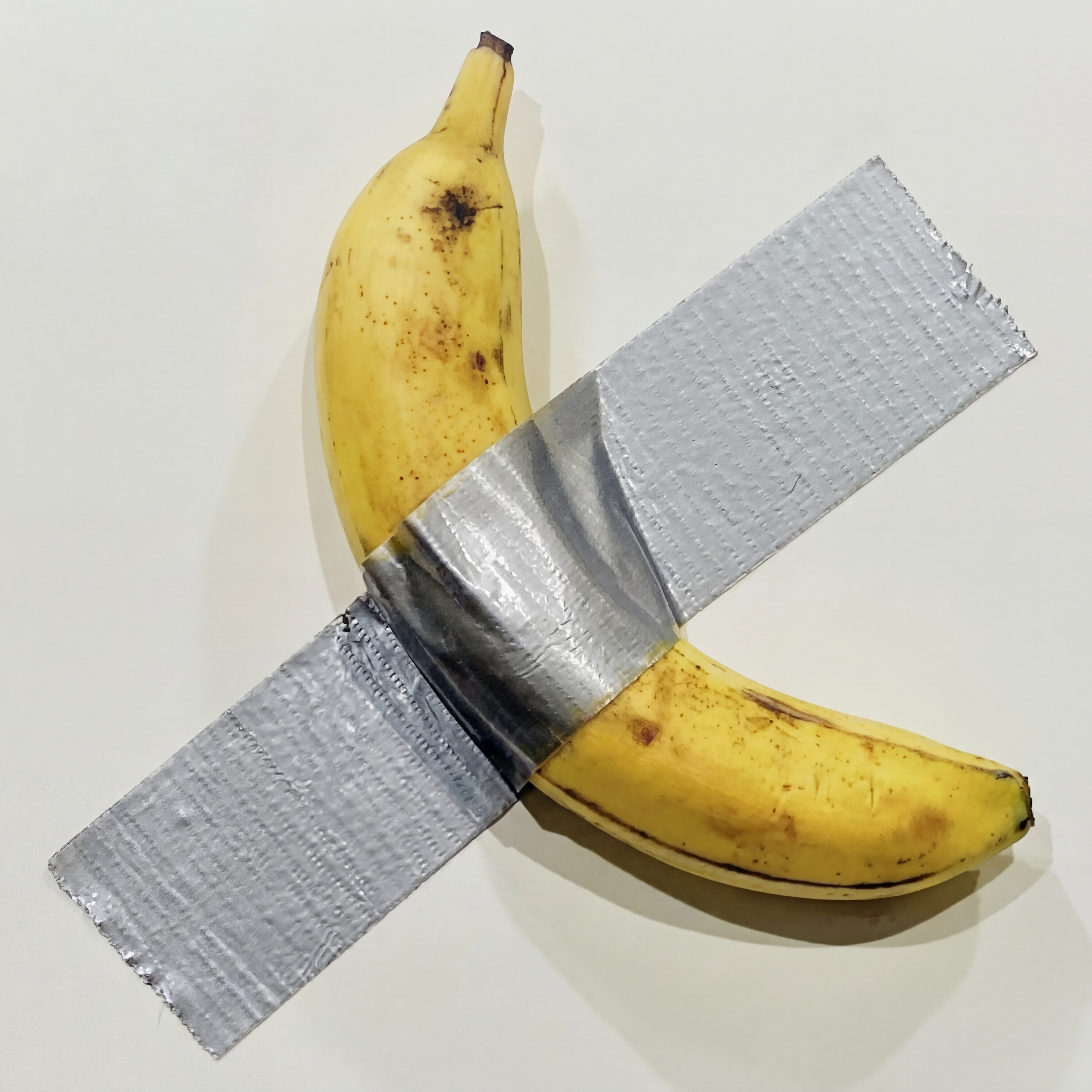
The decision to regenerate Maurizio Cattelan’s Comedian using Nano Banana Pro wasn’t about reproduction — it was about interrogation. If conceptual art locates value in the idea rather than the object, what shifts when even the minimal human gesture of affixing fruit to wall is removed? The work already sparked accusations of effortlessness. An AI-generated version pushes that premise to its logical conclusion — no human touch at all. Only instruction. What emerges isn’t parody. It’s extension.
Nagel Reimagined
Patrick Nagel’s portraiture defined an era. Clean linework. Bold color fields. Sophisticated minimalism. It also defined a narrow slice of humanity — overwhelmingly white, young, conventionally attractive. The style’s visual grammar was never the limitation. Its casting was.
This series uses Midjourney to channel Nagel’s aesthetic while correcting for what he left out. Diverse ages, ethnicities, expressions. The question isn’t whether AI can replicate a style. It’s whether it can expand one.
The tool generates. The creative direction decides who gets represented.


Mr. Bosch
AI image models process visual data without conceptual understanding — a limitation exploited here to push beyond conventional surrealism. By carefully structuring prompts that reference Hieronymus Bosch’s medieval symbolism and Mark Weaver’s dreamlike compositions, the imagery sits in the uncanny space between deliberate craft and algorithmic misinterpretation. Impossible architectures. Hybrid forms. Visual territory that emerges precisely because the tool doesn’t “know” what it’s making.


Midjourney Guide for Creative Agencies
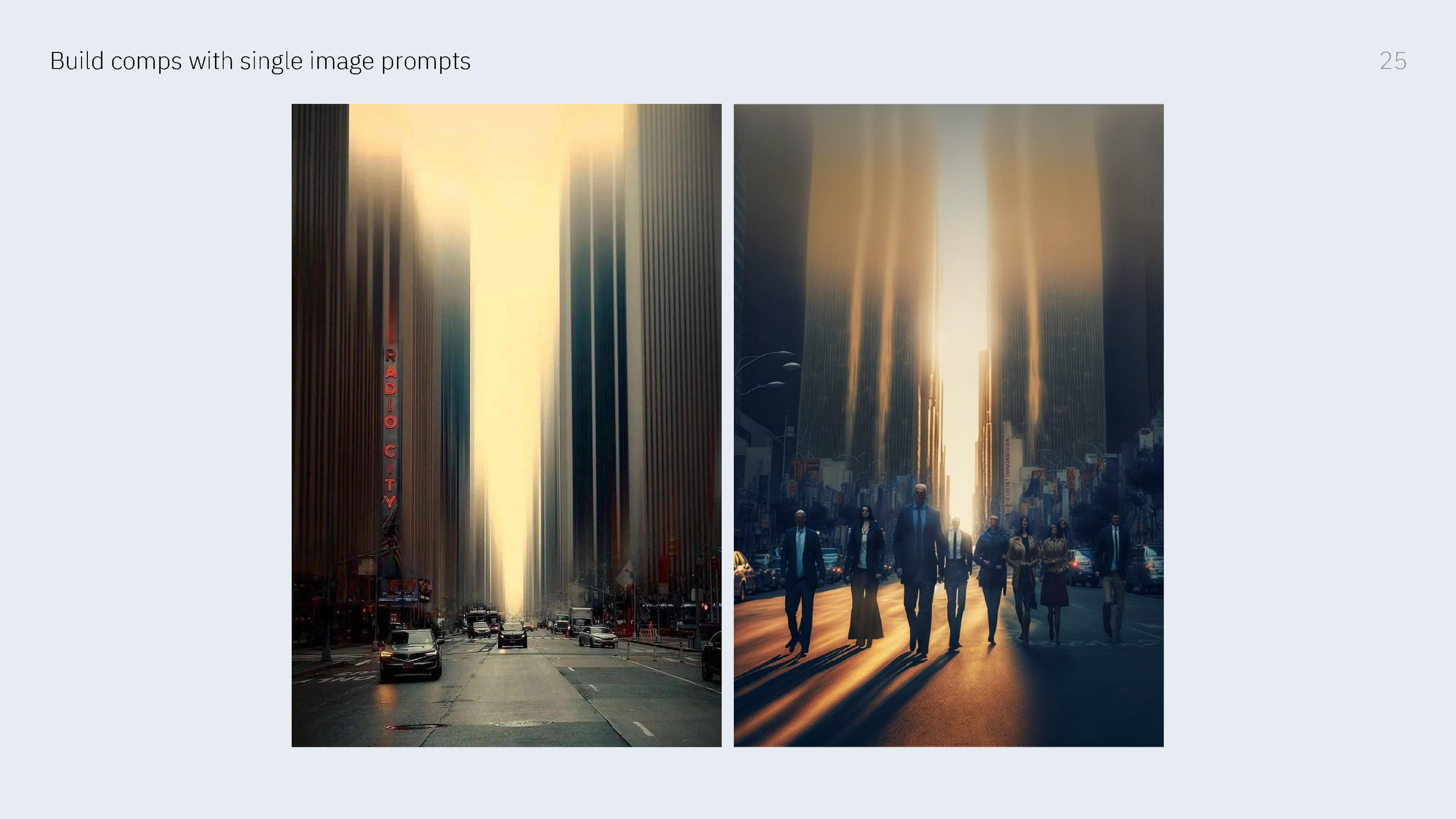
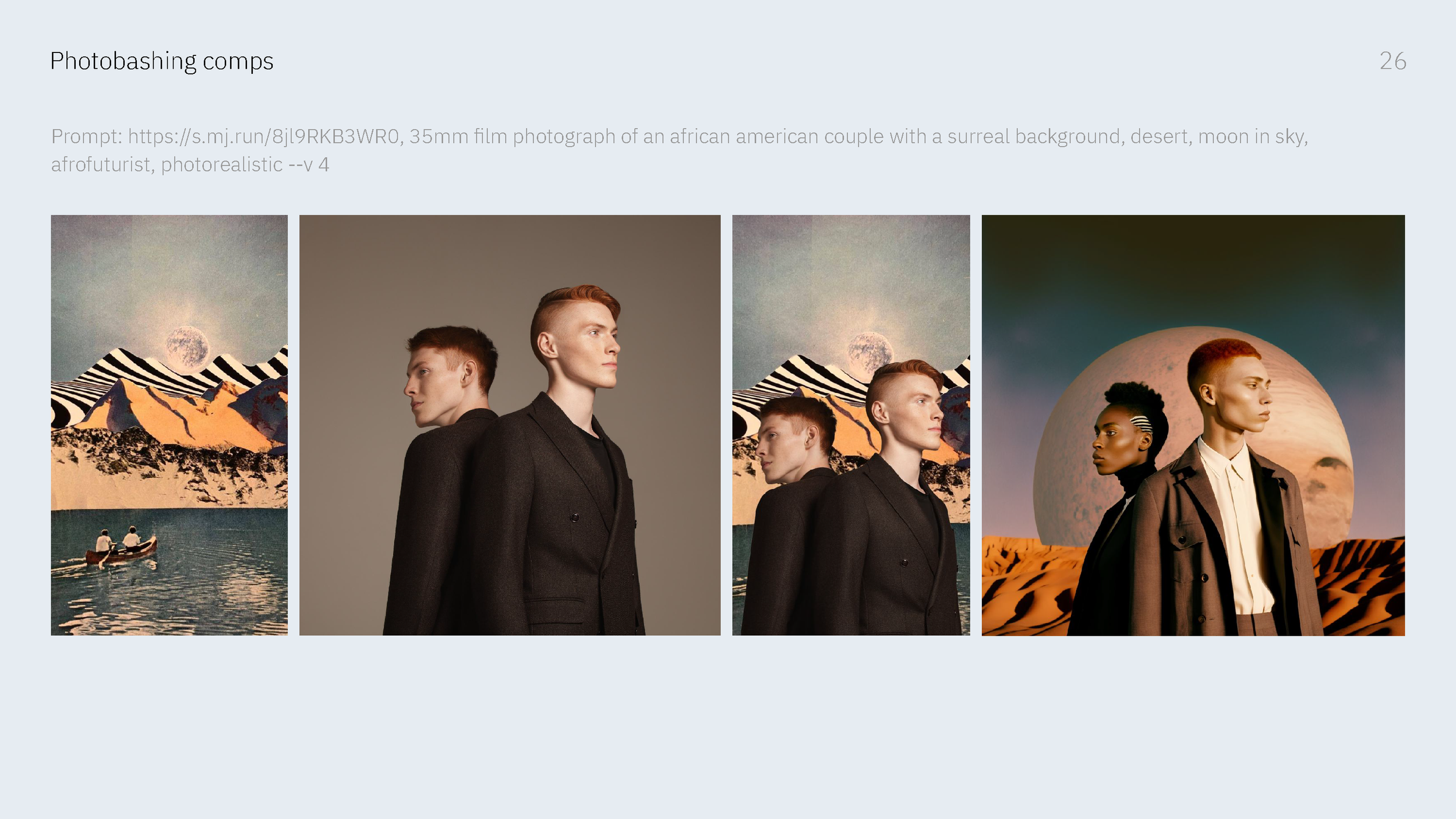
In December 2022, this presentation went to Showtime’s design group — outlining what the tool could and couldn’t do, and the legal questions already forming on the horizon.