Wondery
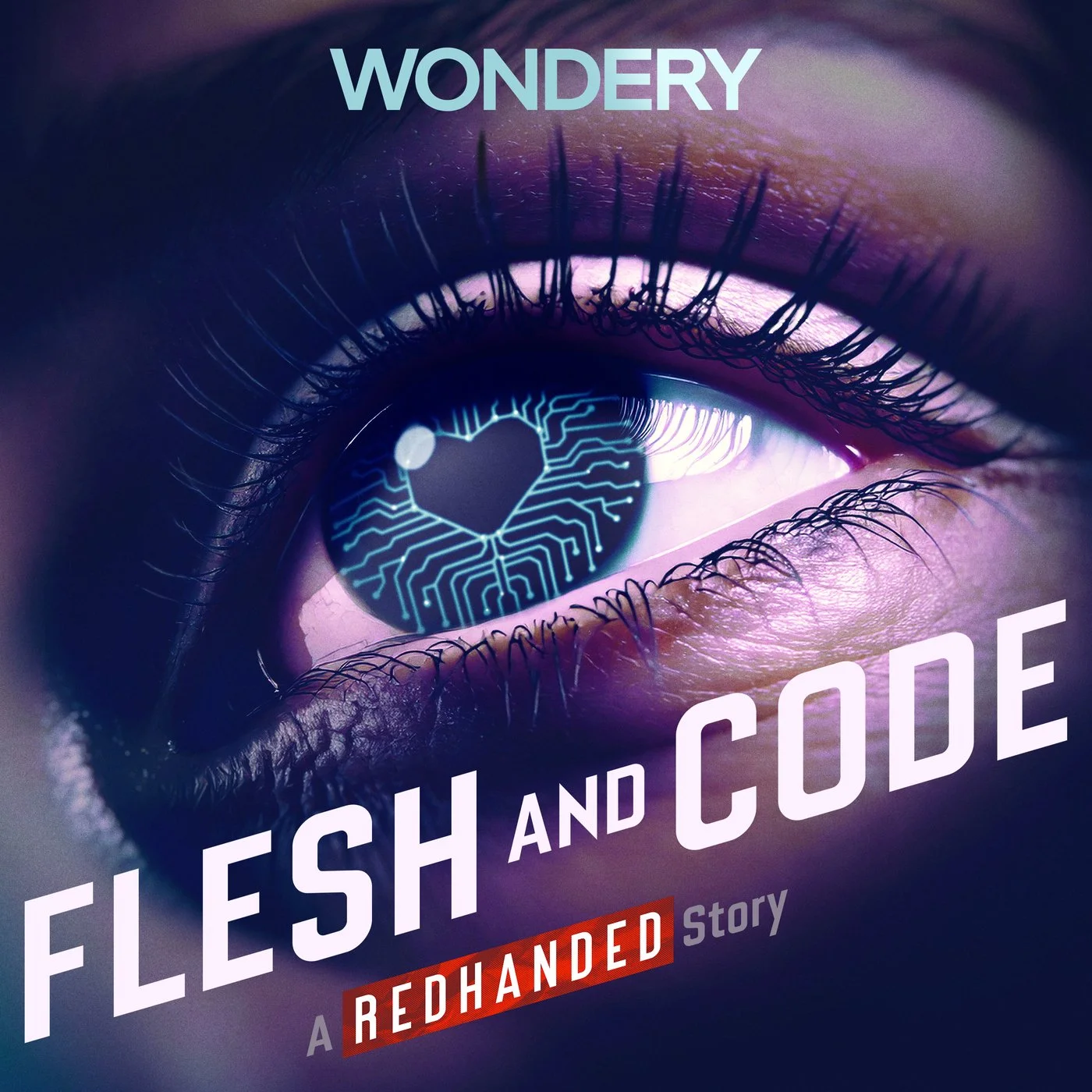
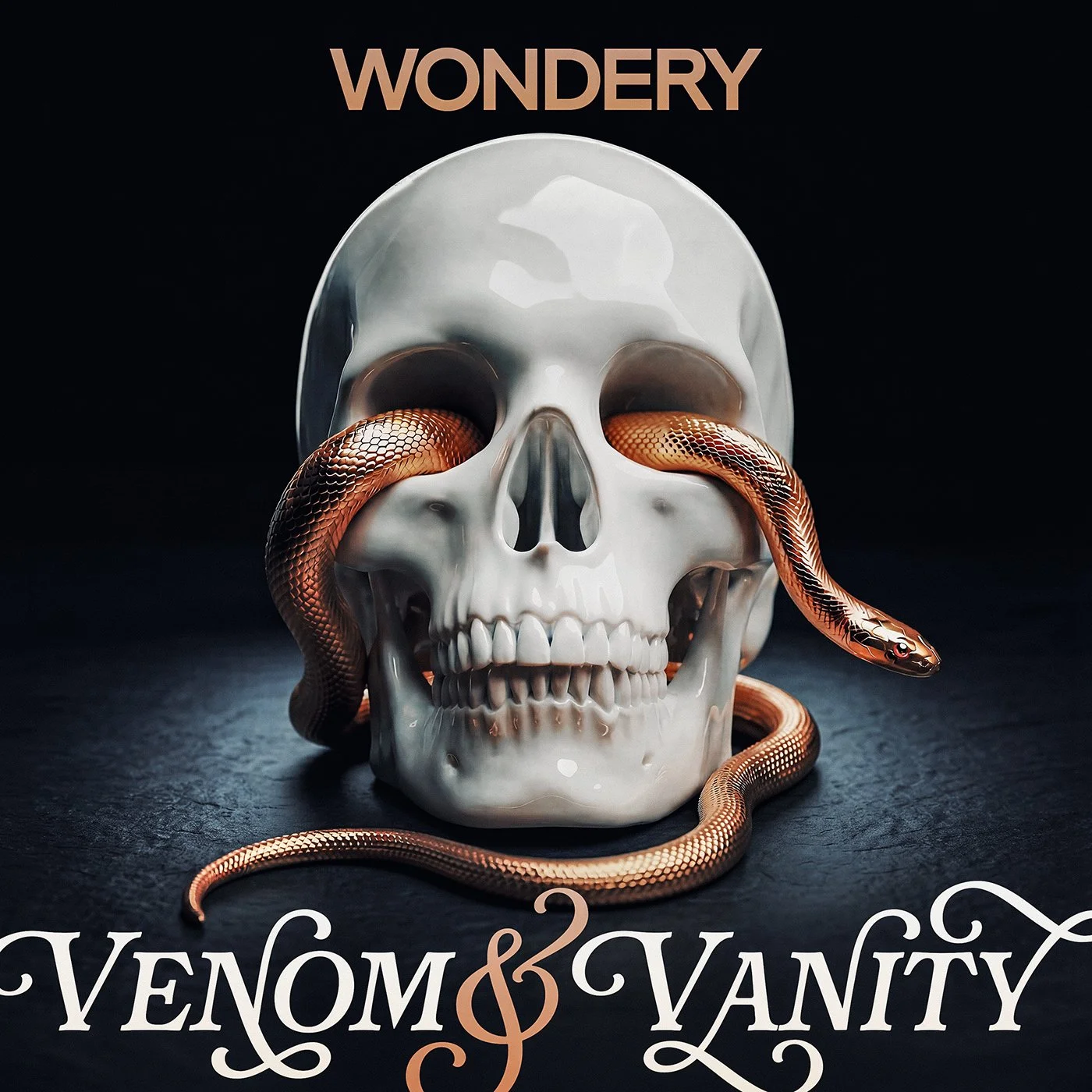
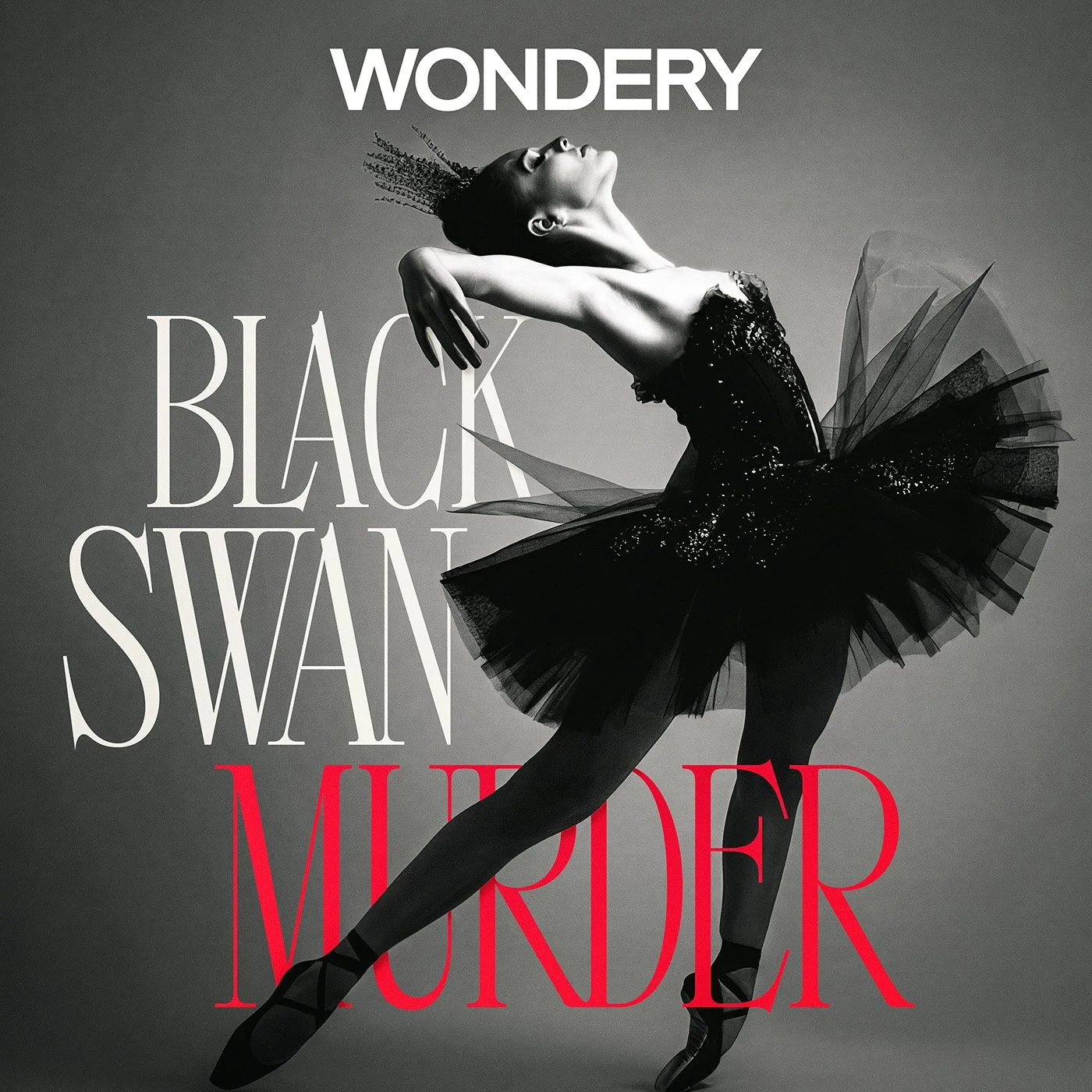
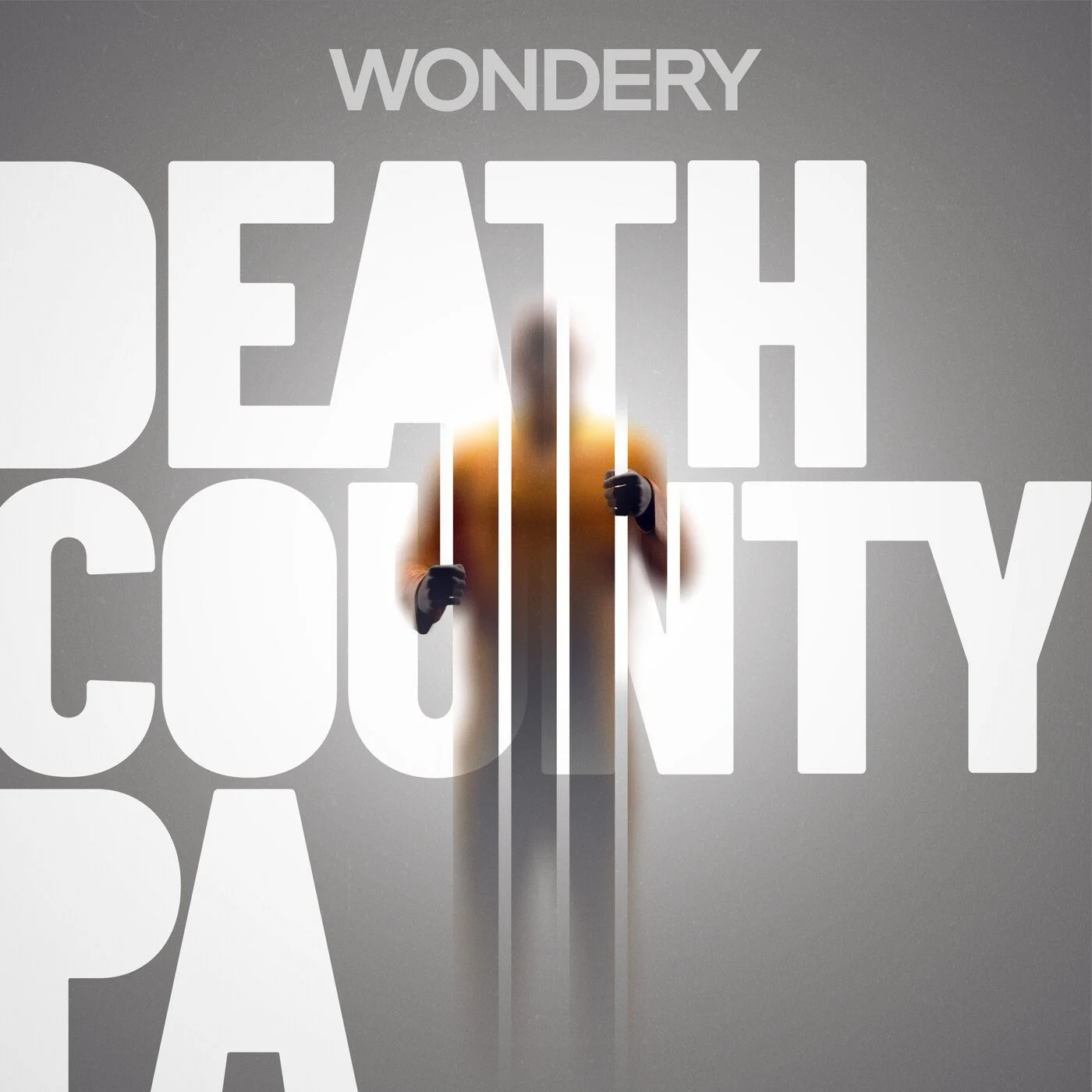
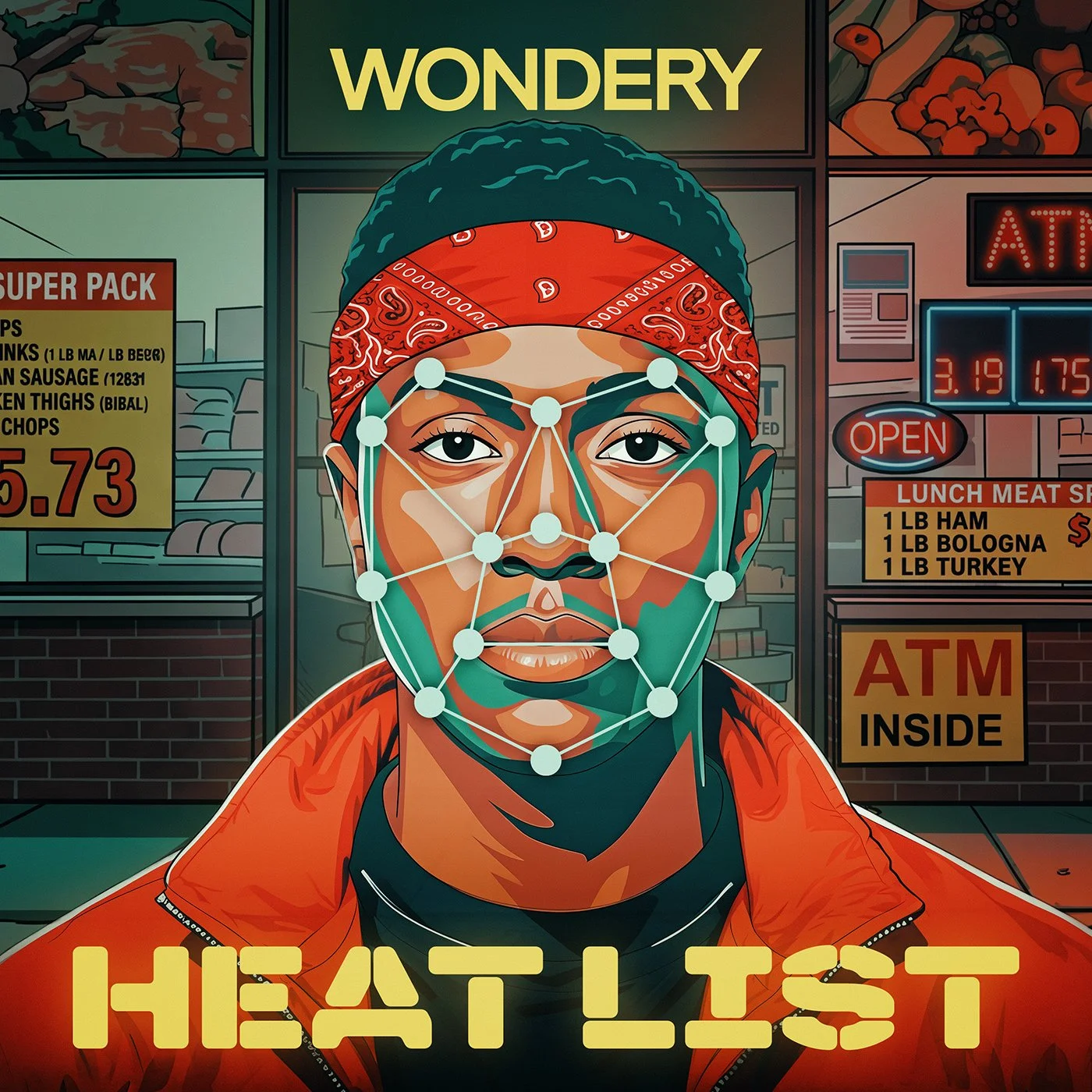
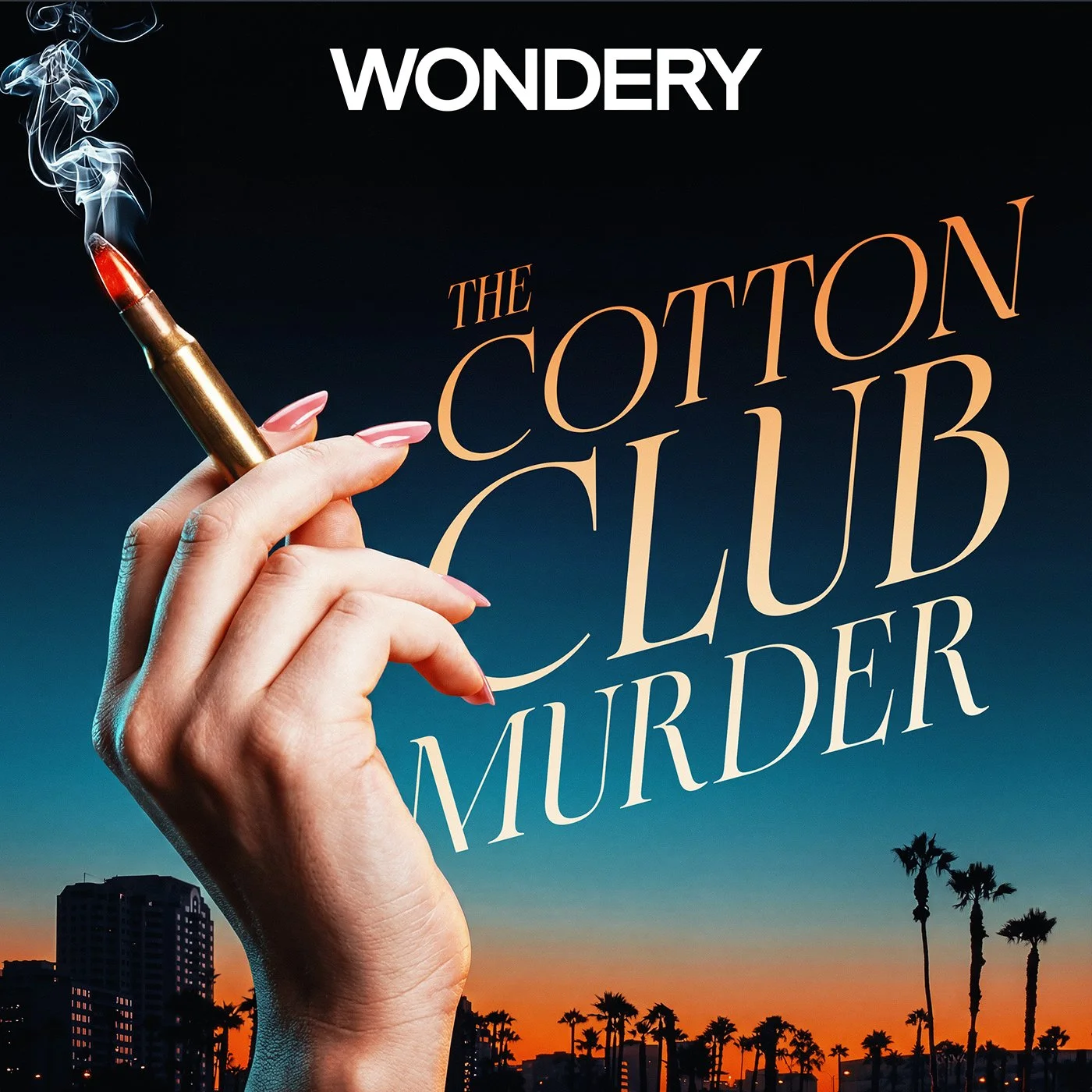
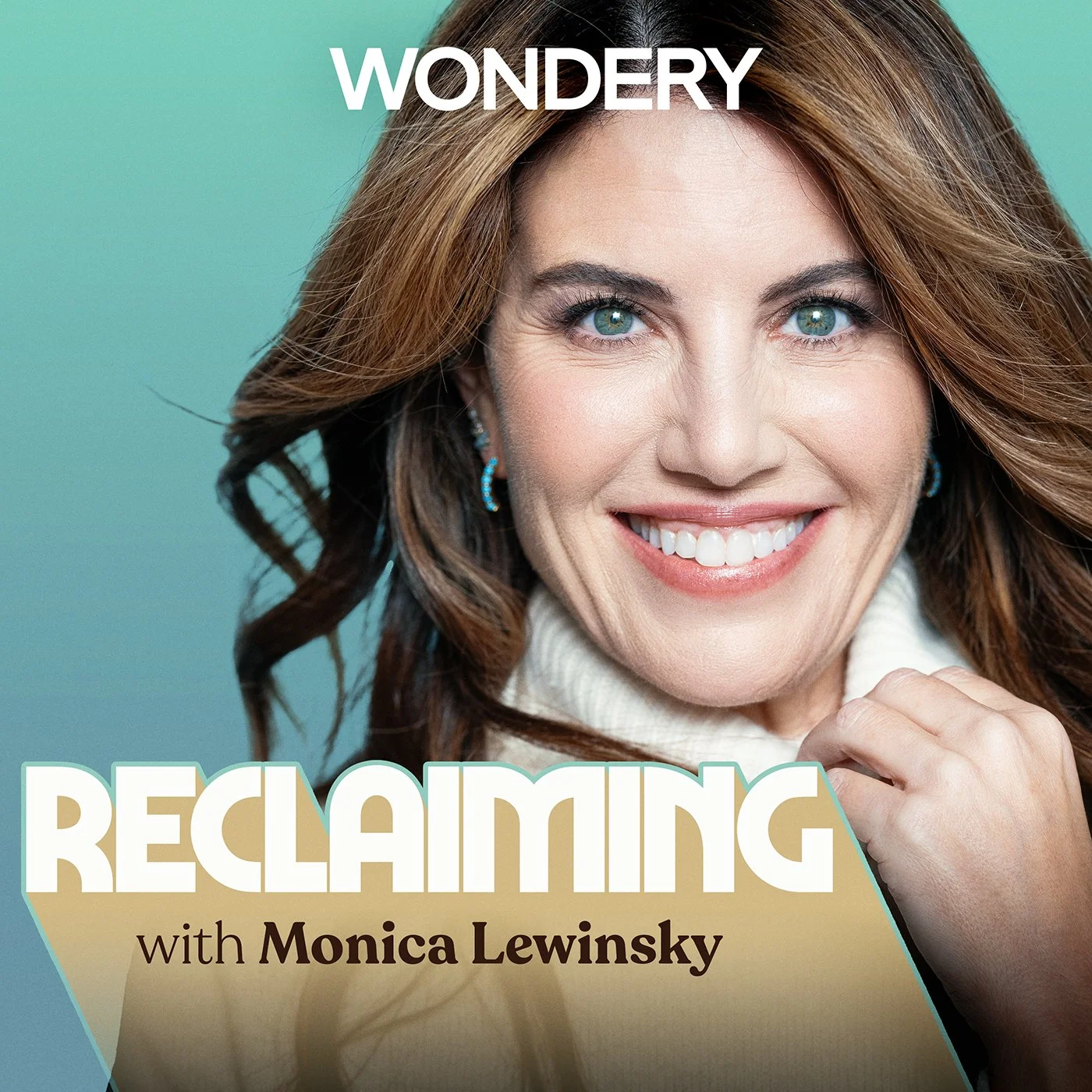
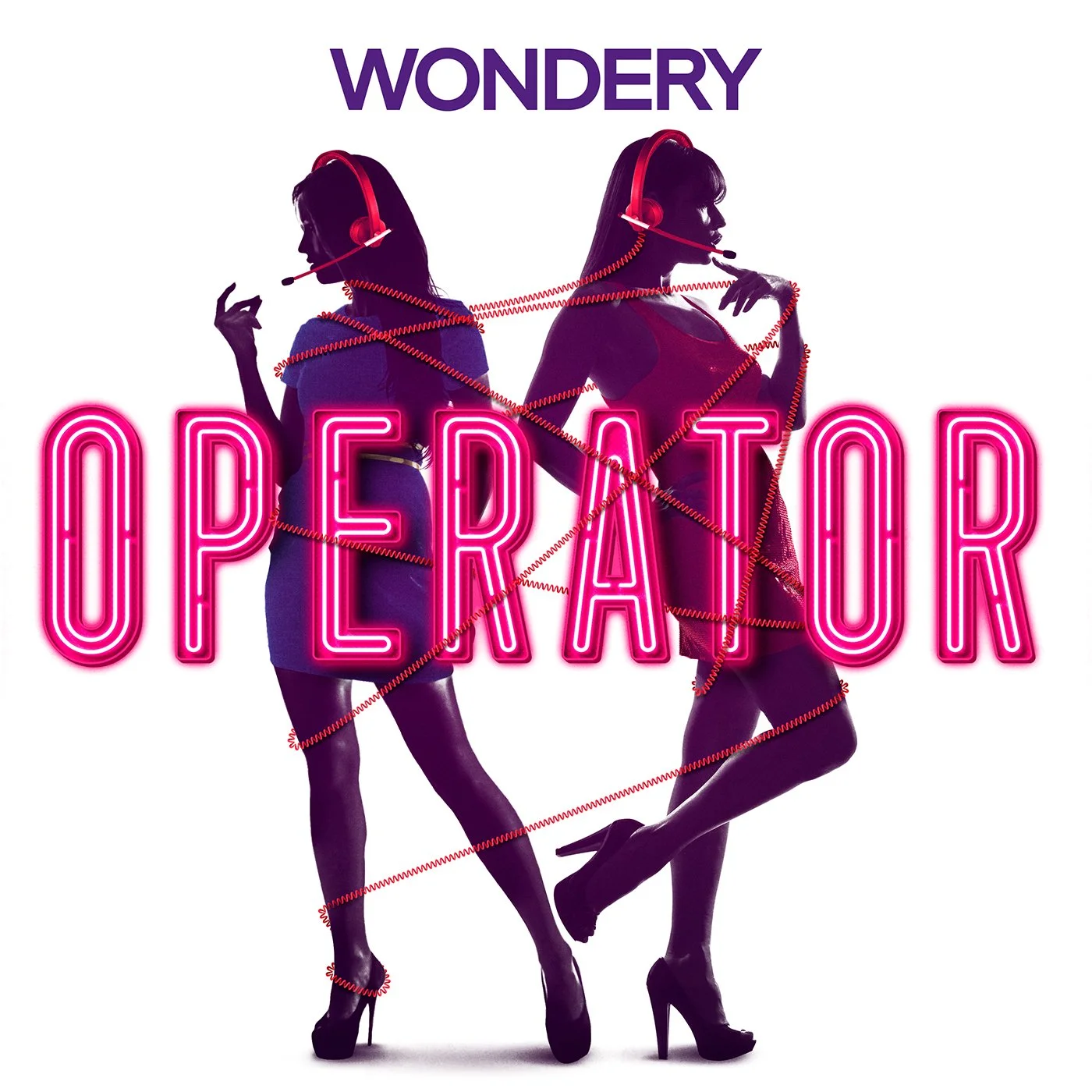
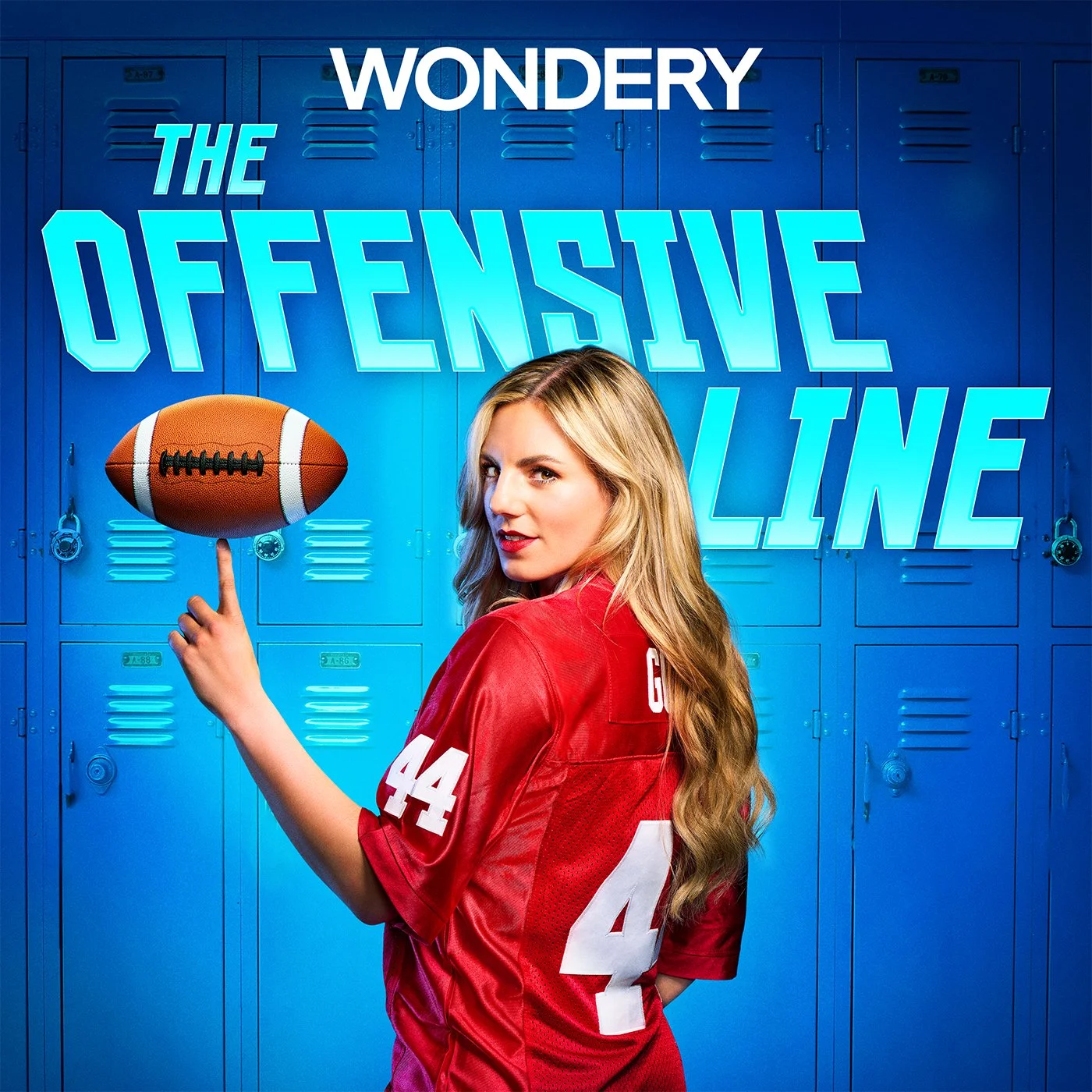
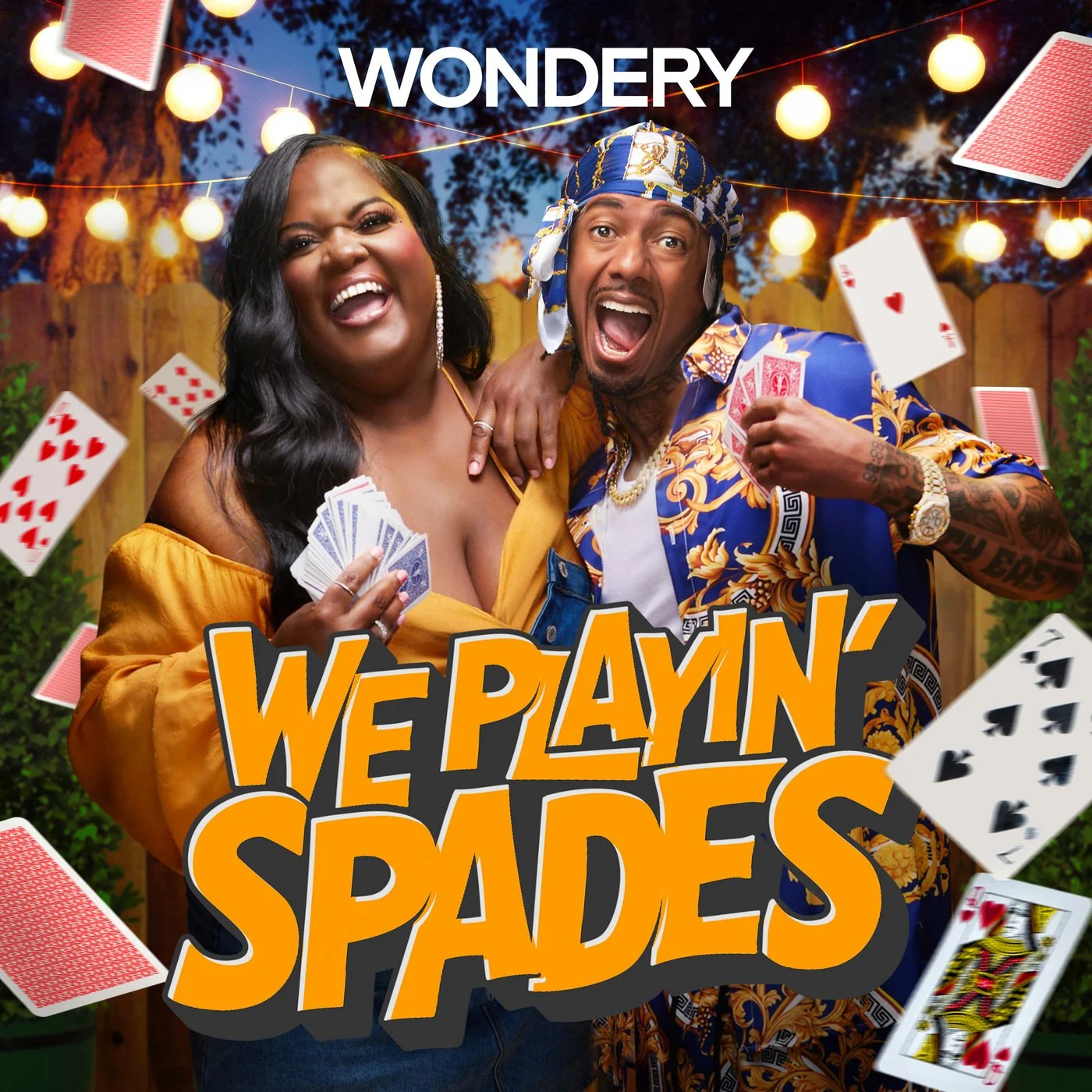
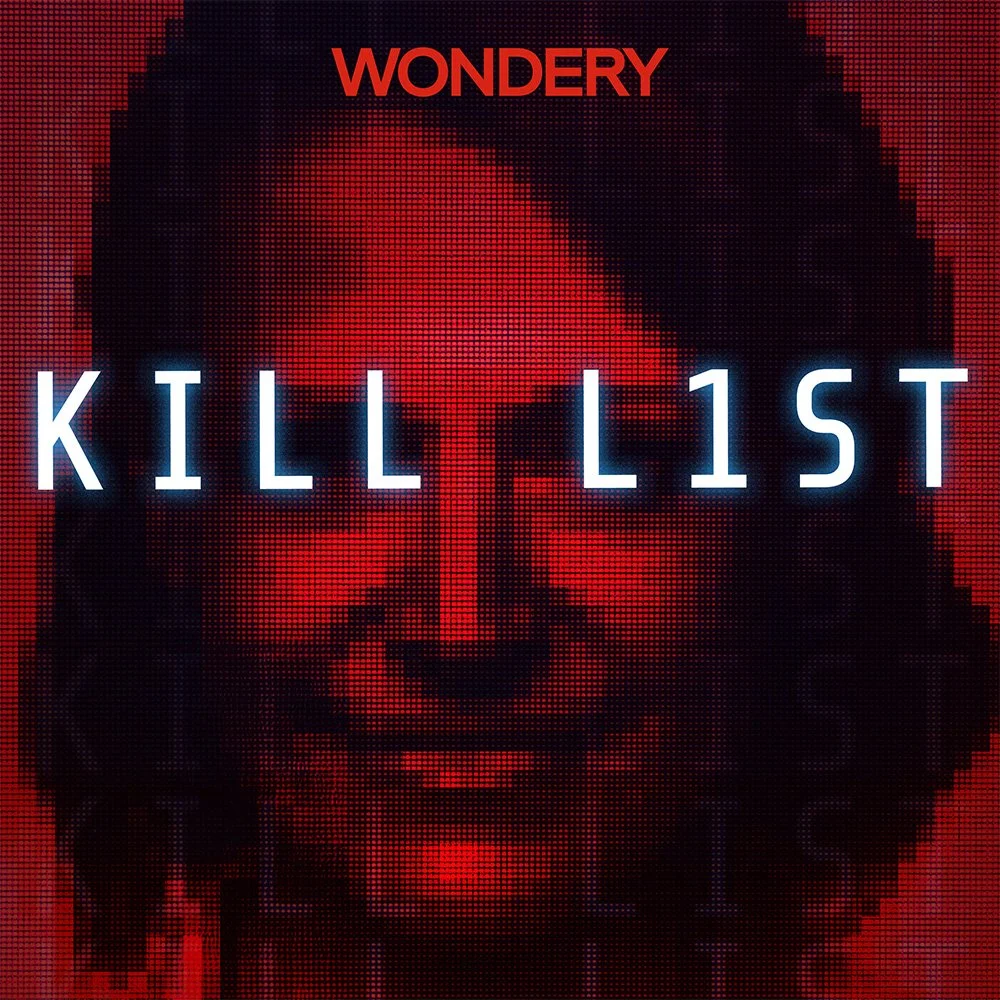
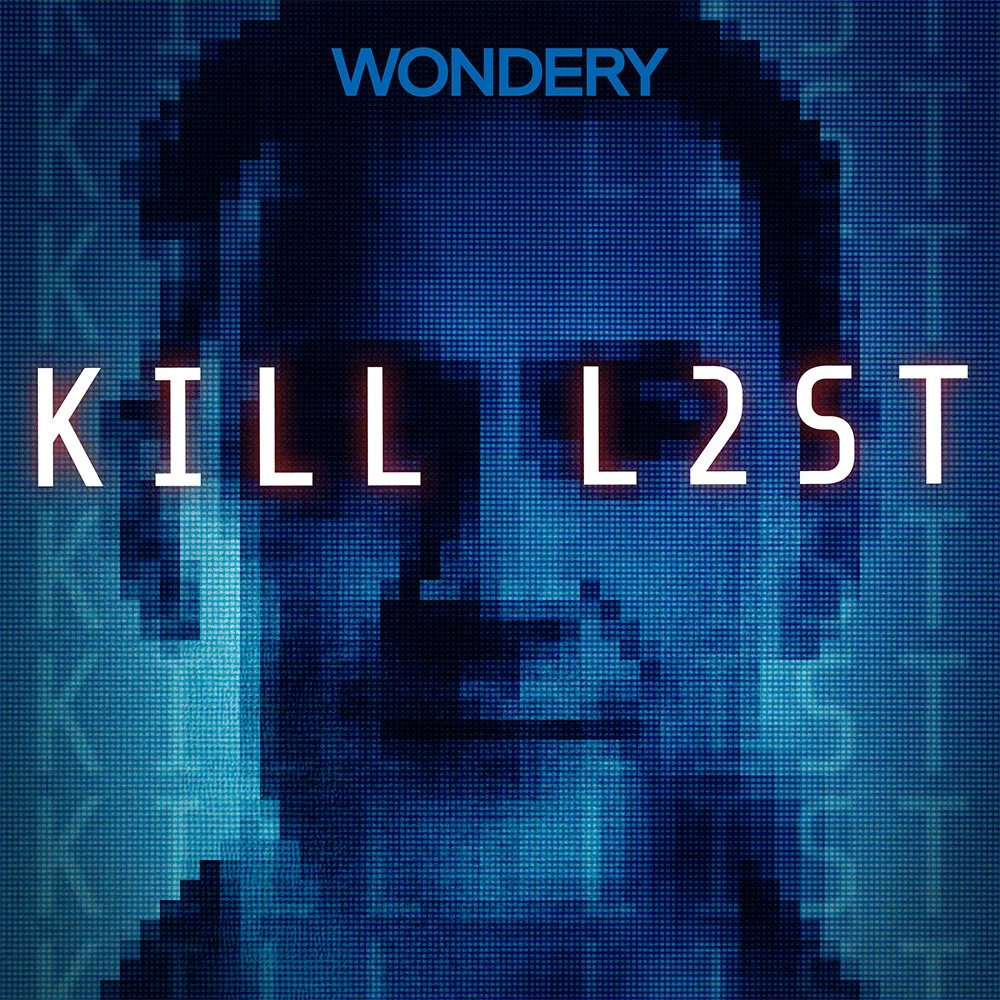
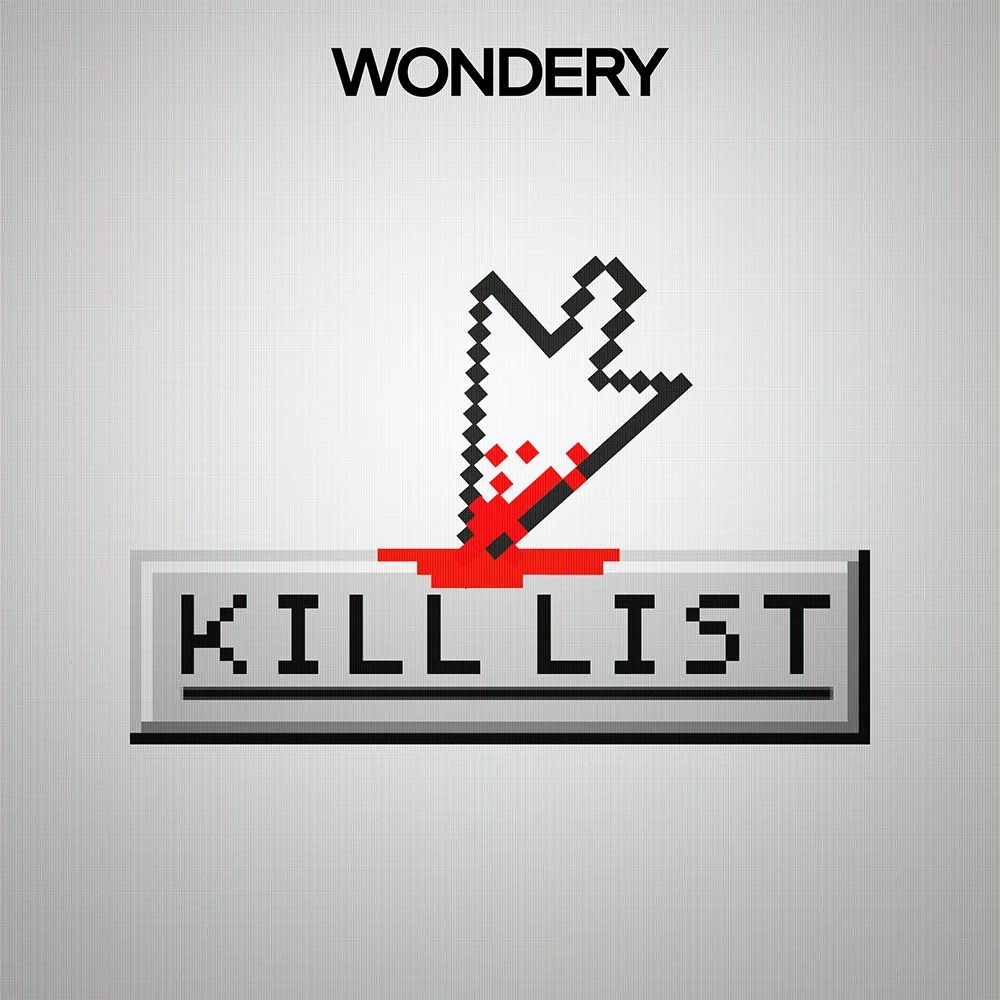
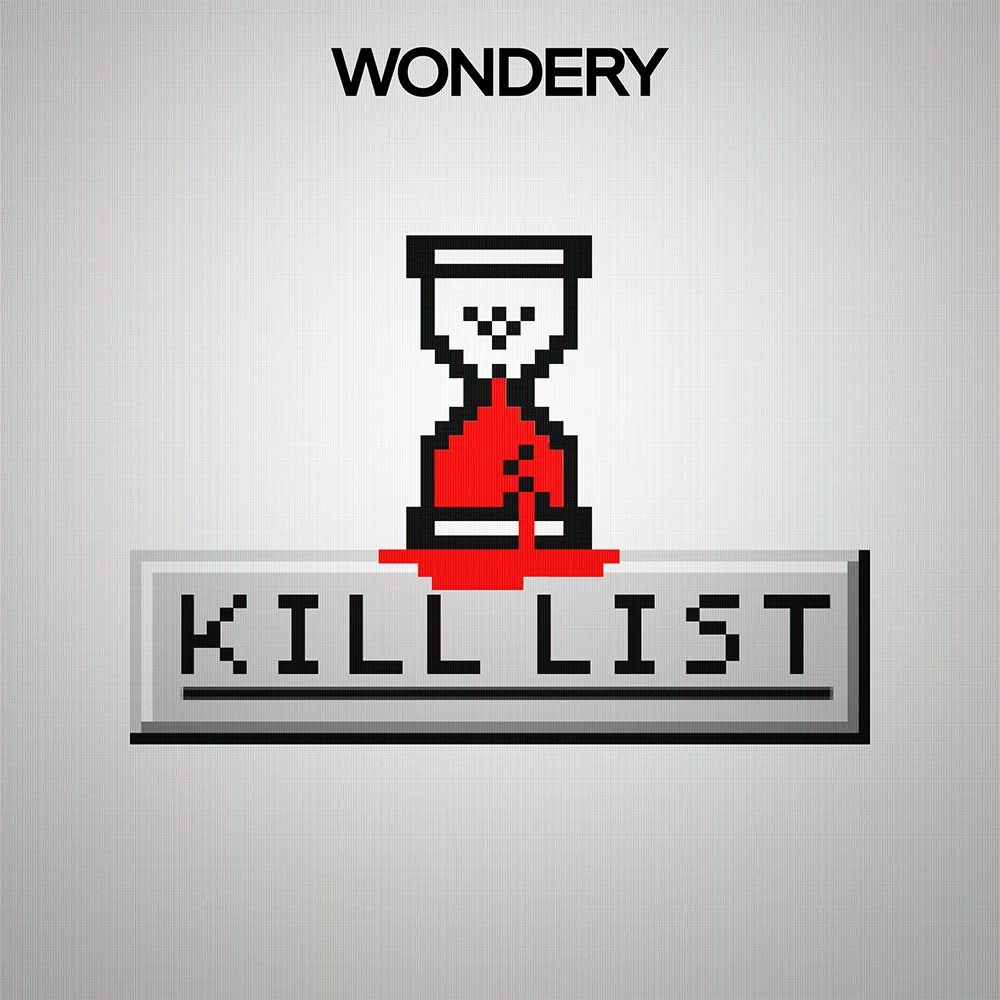
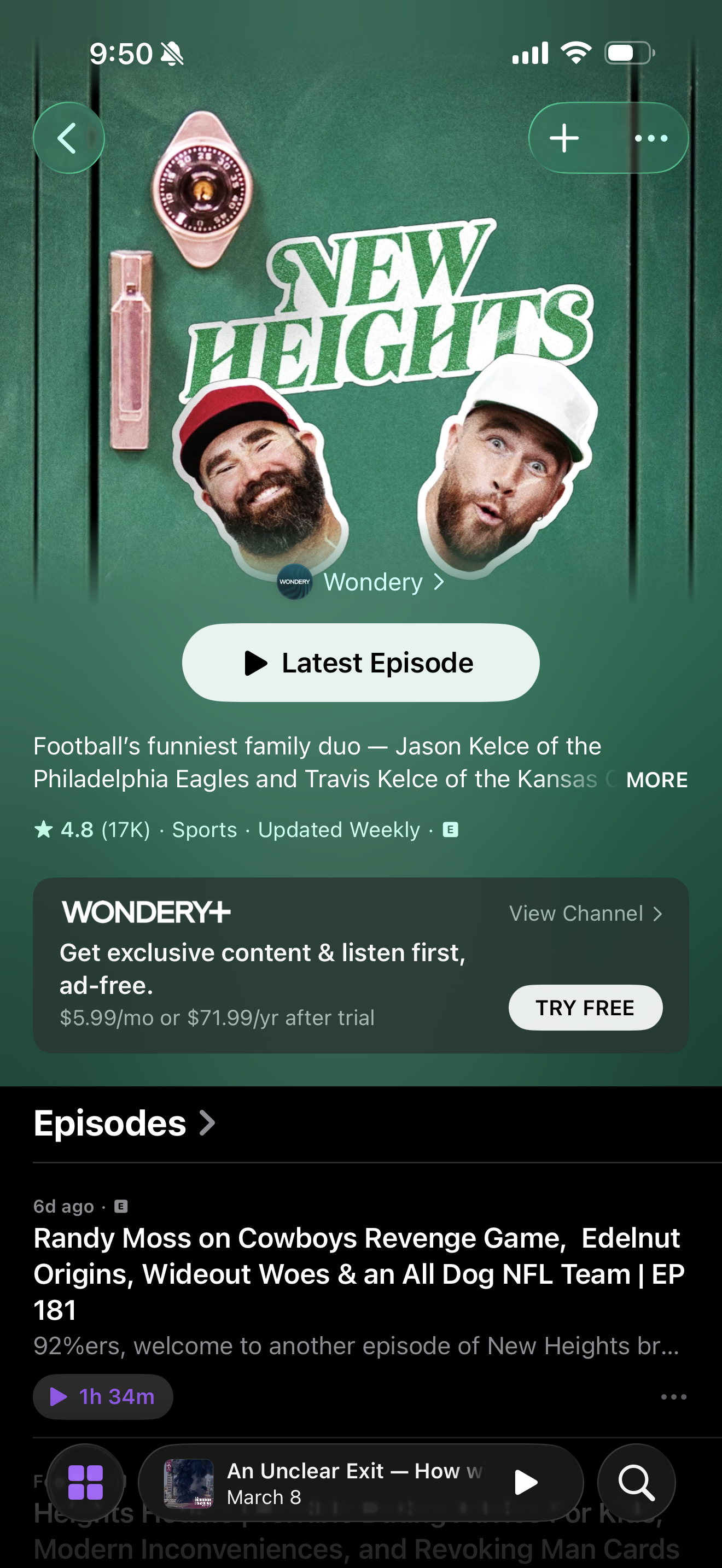
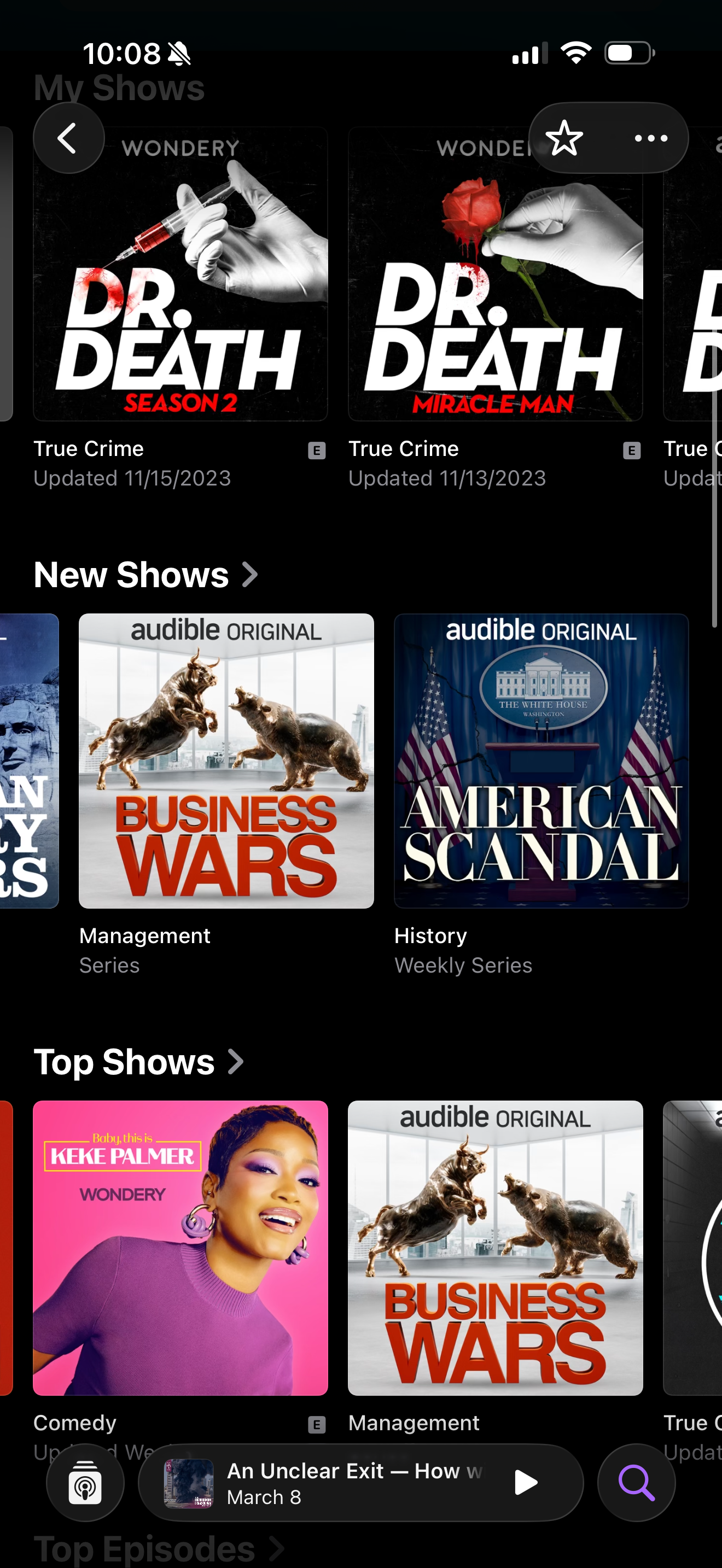
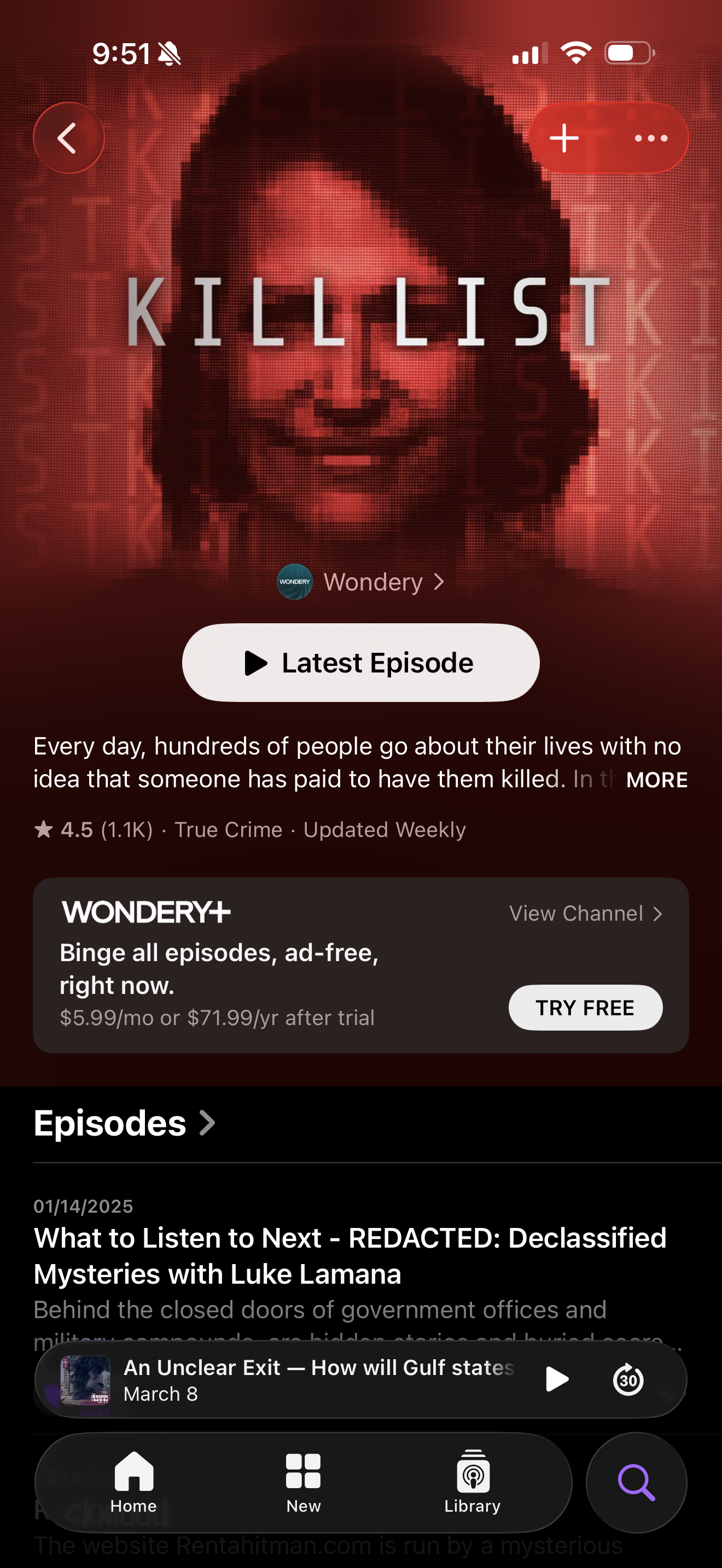
Wondery’s audience is as diverse as its catalog. The creative strategy reflects that directly: each show is treated as its own brand. Distinct visual language. Distinct tone. Distinct audience. The decision was intentional: a catalog that spans true crime, comedy, history, and culture can’t be served by a single aesthetic. Reaching the widest range of listeners means meeting each one where they are. Every solution here is crafted to capture a show’s essence and cue listeners into what they’re about to hear. Each show demands immersion. The hosts, the subject, the tone. When the creative shows up in the world, it doesn’t just look right. It feels right. Many of these shows hit number one on podcast charts, often doubling TPE goals.
Digital-First Design
Traditional key art was designed for traditional formats. Billboards, bus shelters, trade ads. Large canvases where detail, texture, and compositional complexity all serve the work. Those formats still exist. They no longer lead.
And traditional key art was seen in isolation. A billboard owns its wall. A bus shelter occupies its corner. The viewer encounters one piece of creative at a time.
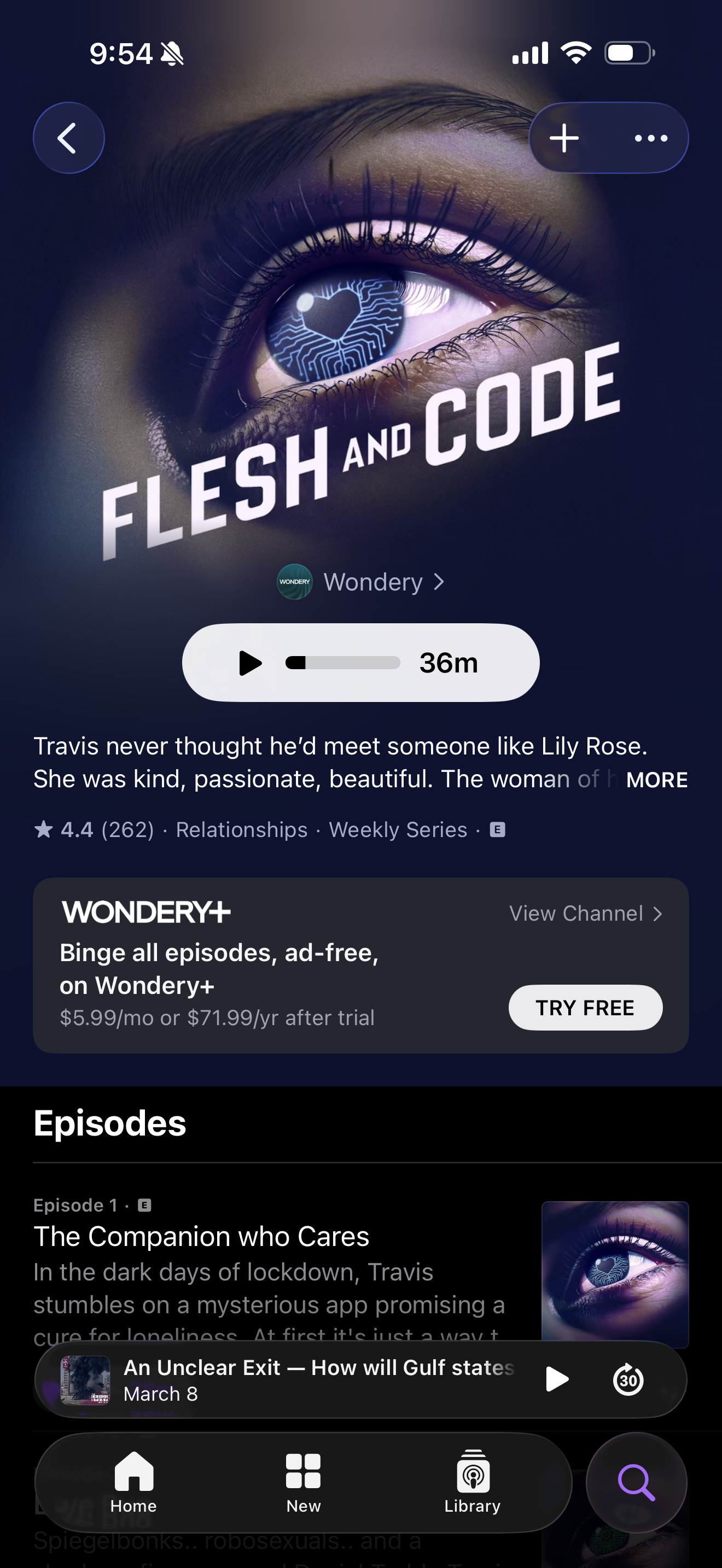
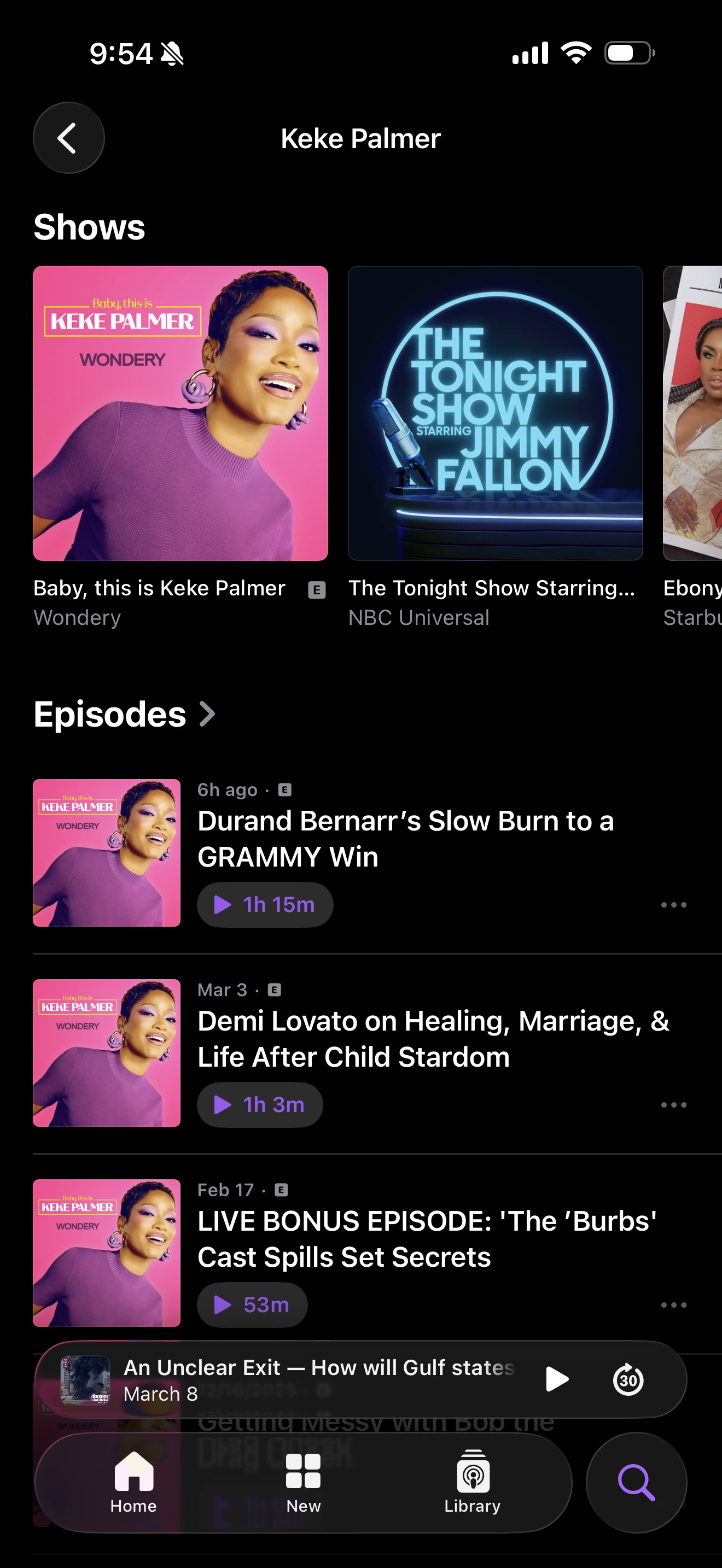
Podcast key art operates under the opposite conditions. Small sizes. A thumbnail on a phone screen. A tile in a carousel. A YouTube card at 120 pixels wide. And always side by side with competitors, sorted by genre. True crime next to true crime. Comedy next to comedy. Every show in the category is visible at once.
That competitive context shaped every decision. When the entire genre defaults to the same visual tropes (dark palettes and crime scene tape for true crime, bright colors and exaggerated expressions for comedy), the fastest way to disappear is to follow the pattern. The creative for Wondery deliberately avoids genre conventions. Bold color where the category expects muted. Restraint where the category expects noise. Compositions that resolve instantly at small sizes with clear focal points and no wasted detail.
Not scaled down from a larger concept. Designed at the destination size and scaled up when needed. The discipline is reduction: what reads at the smallest size, surrounded by competitors, is what matters most.
The work below mixes traditional craft with AI. Some pieces are built through conventional illustration, photography, and design. Effective creativity doesn’t come through automation. It comes through experience. Others use AI to accelerate prototyping, pre-visualize for talent, expand the range of explorable concepts, and reduce costs. Both require judgment. The tool doesn’t decide the approach.







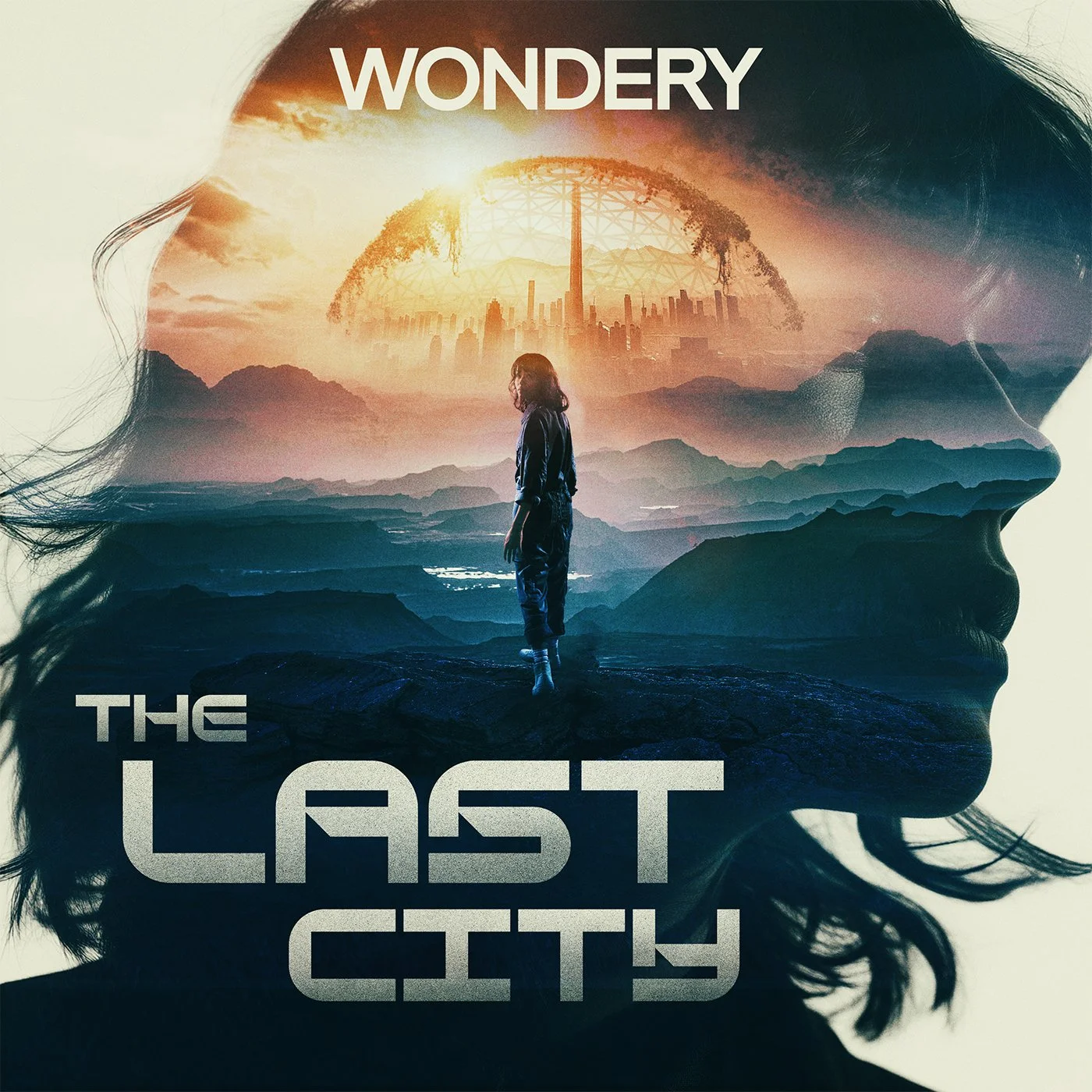
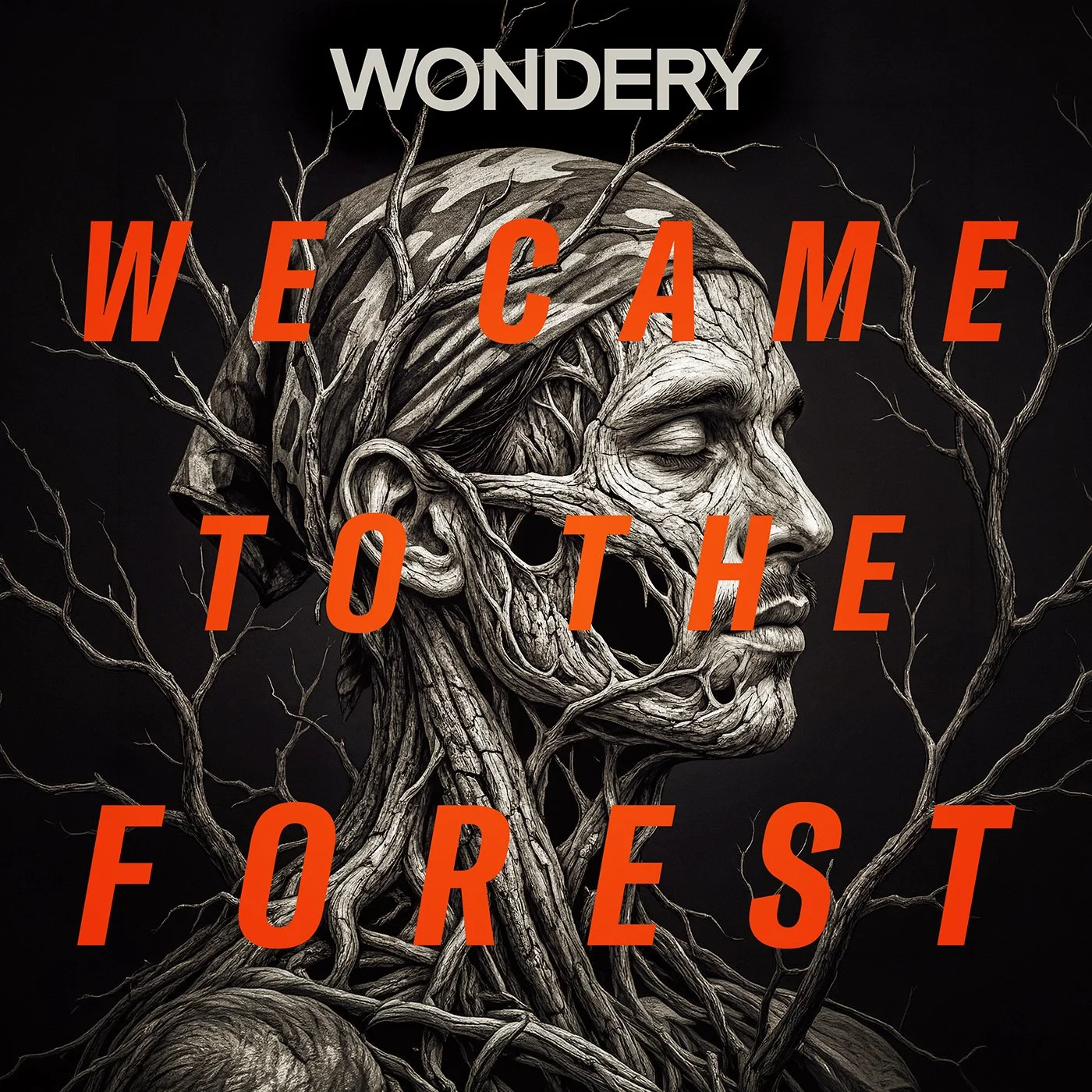
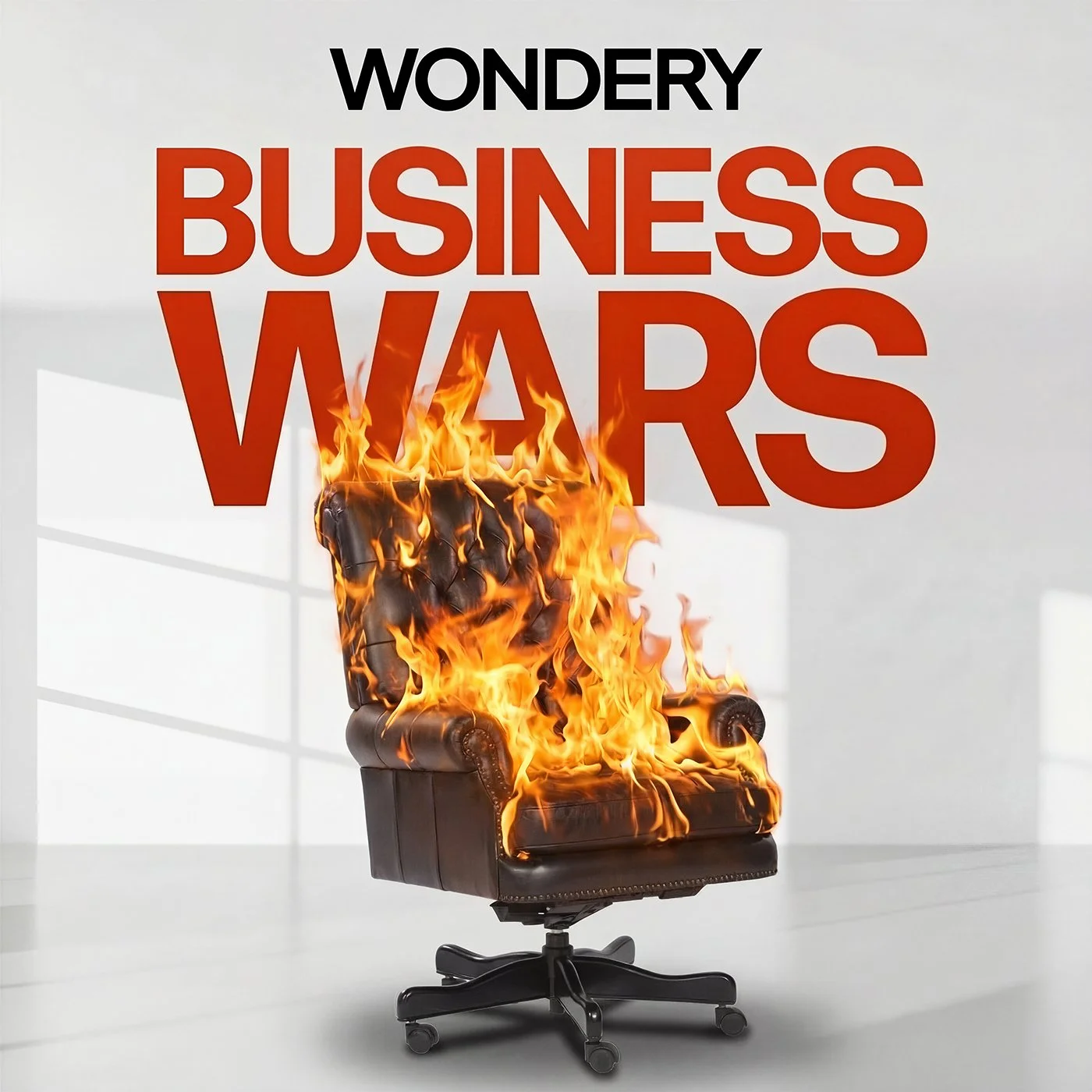

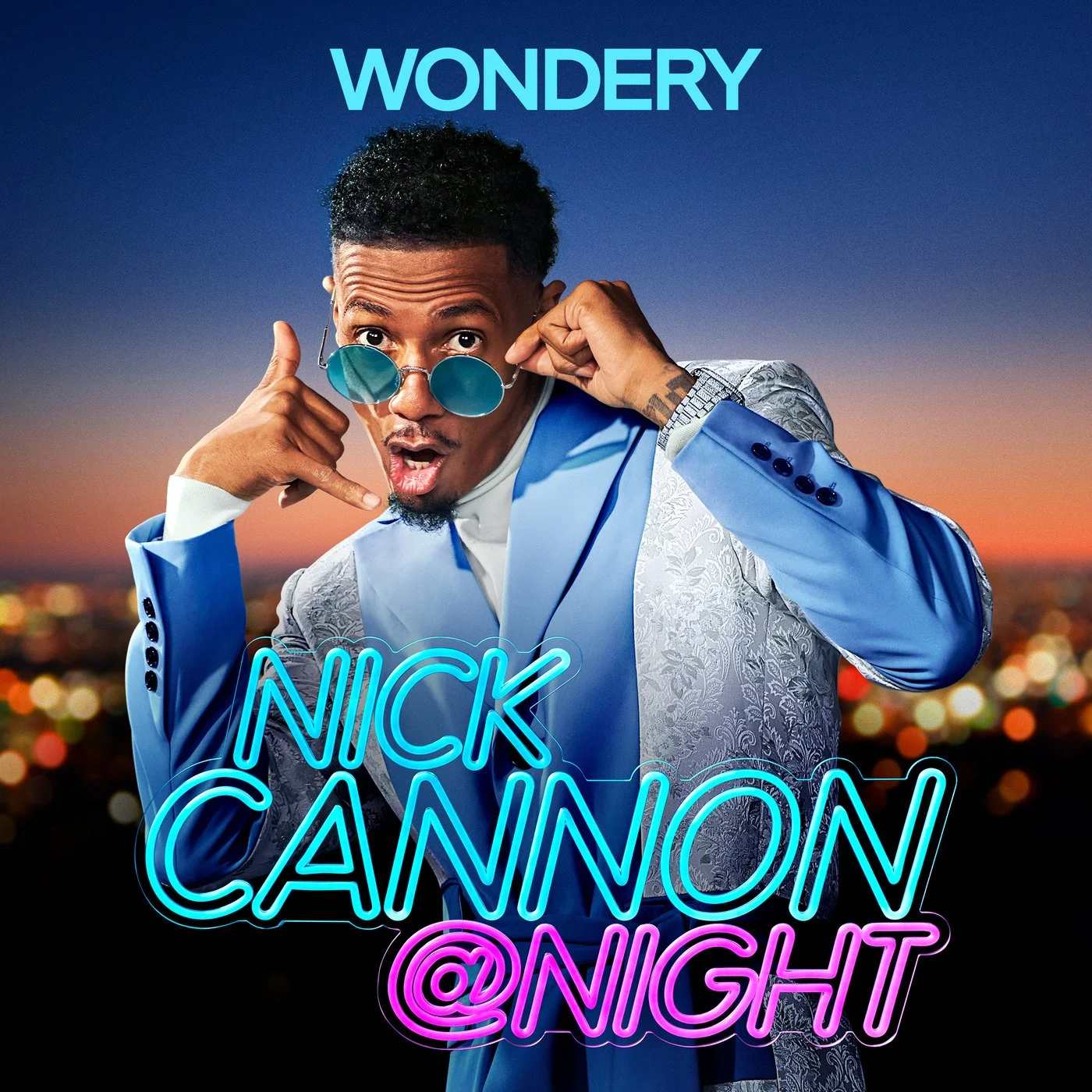


Transforming Wondery’s Key Art Process
In early 2024, Wondery’s creative operations were reset. Systems streamlined. Cross-functional alignment strengthened. The agency reviews and the RFP process were rebuilt. A diverse network of creative directors, art directors, illustrators, editors, and animators is managed across all touchpoints.
The creative development process had evolved organically rather than strategically. Timelines were unpredictable. Costs varied wildly from project to project. No shared understanding of who needed to weigh in at which stage.
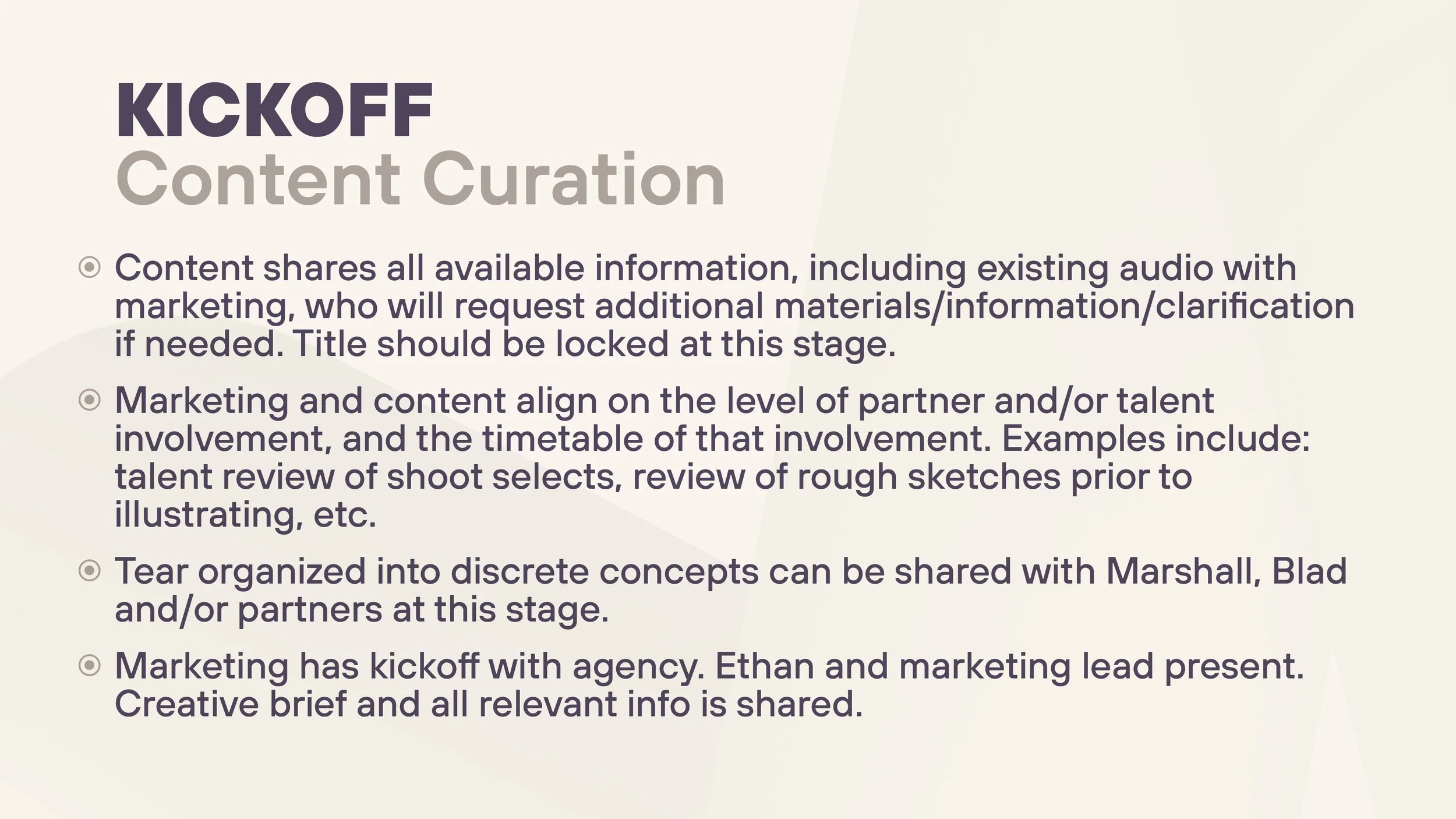
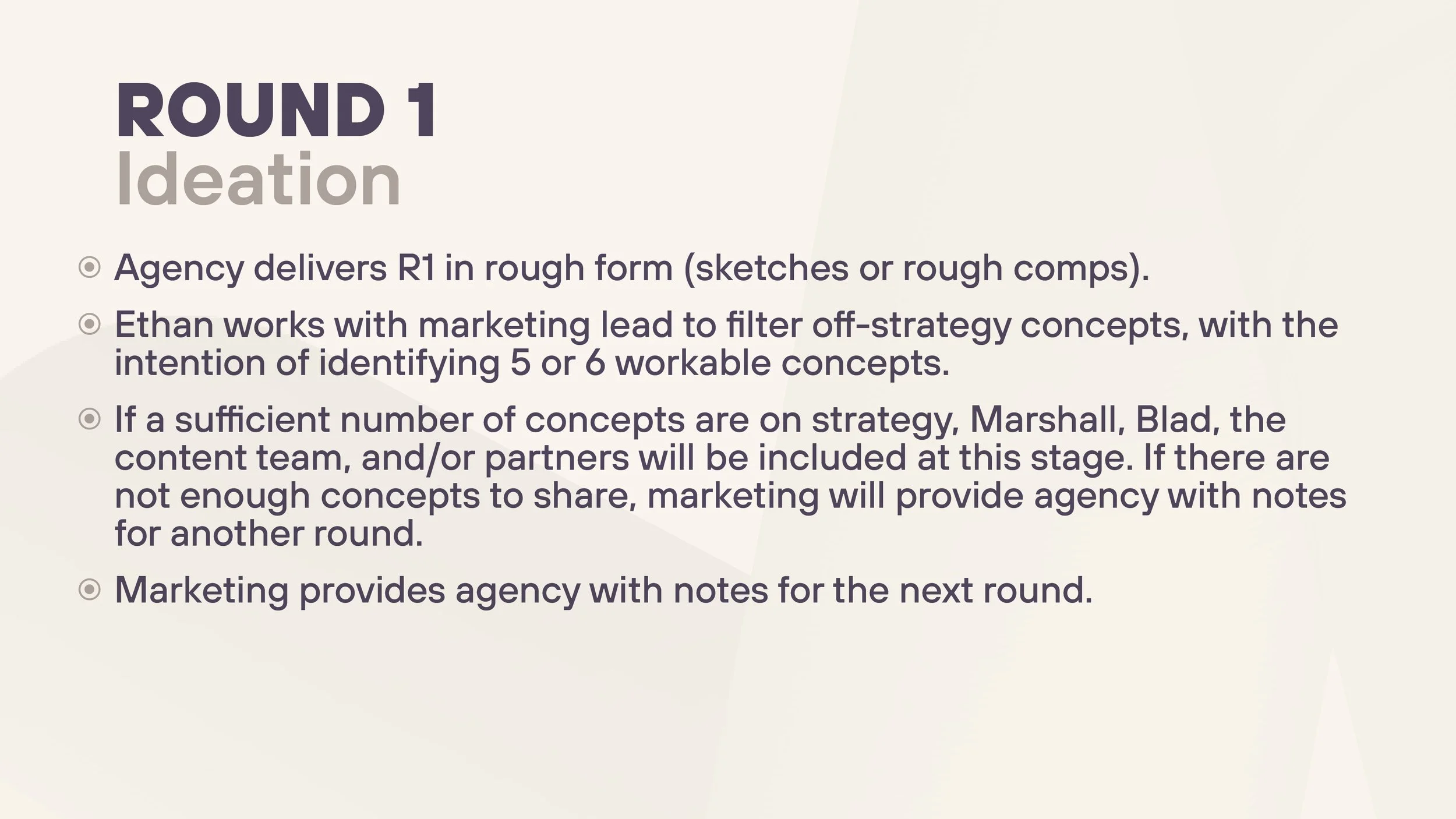
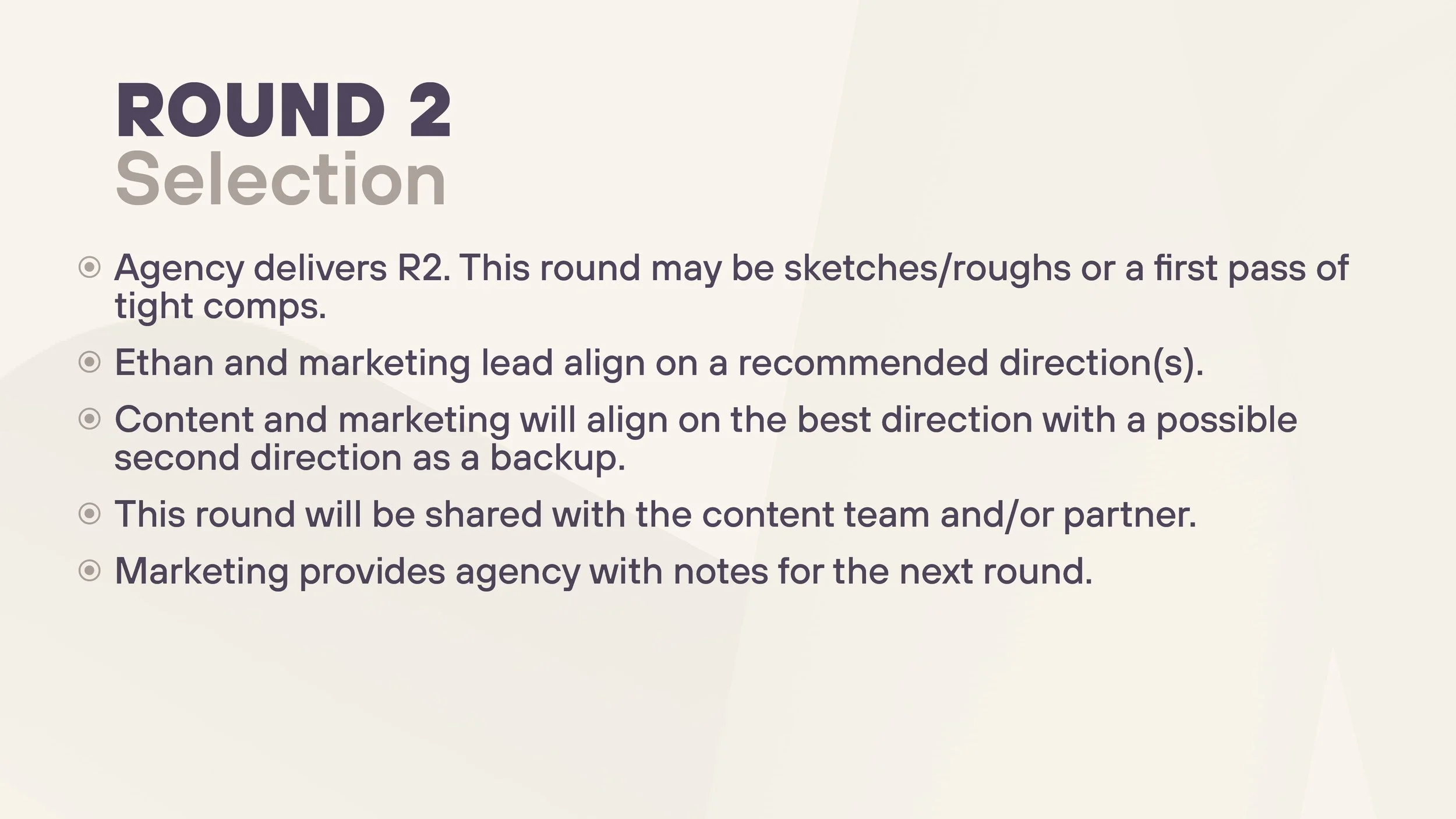
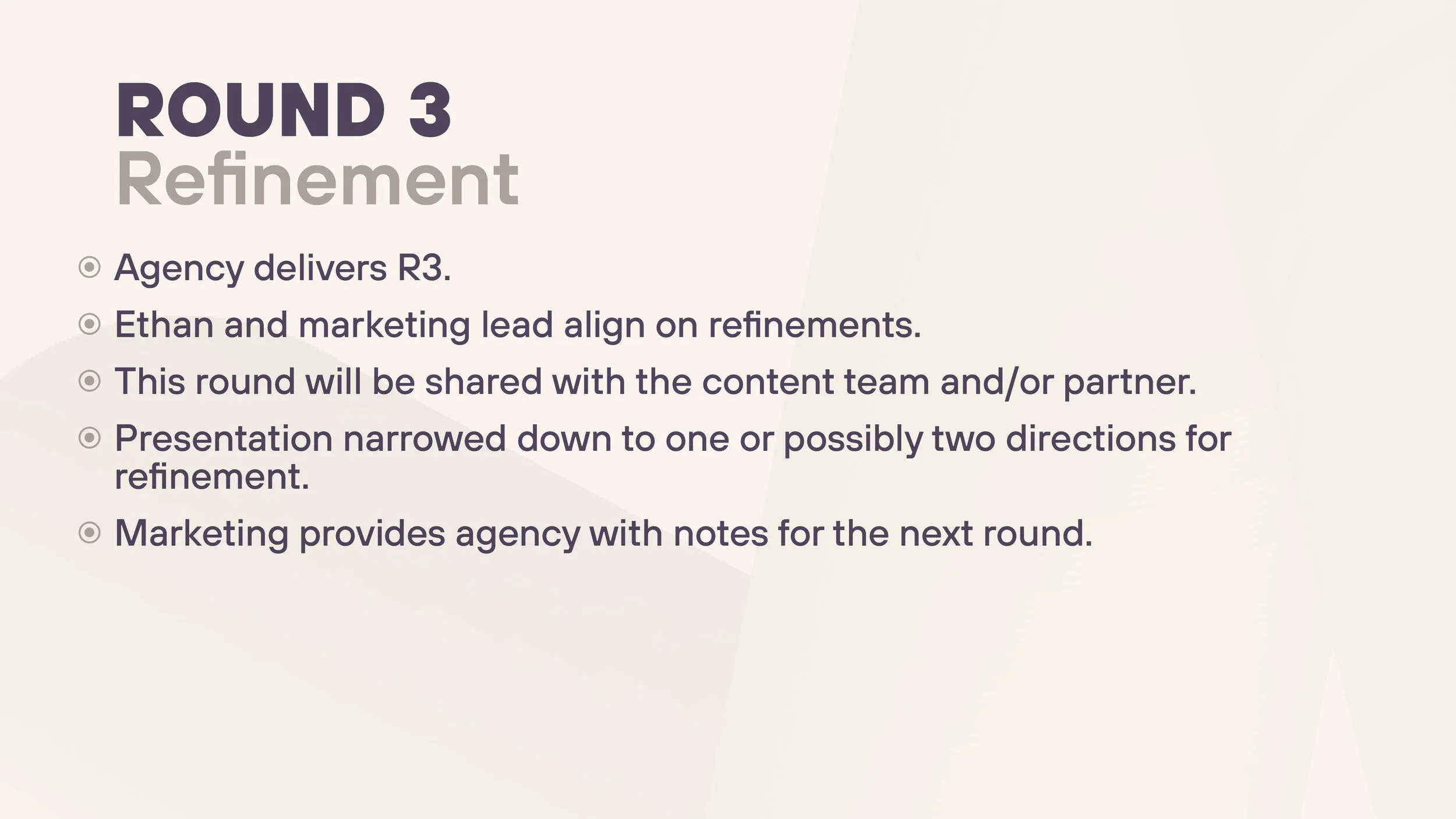
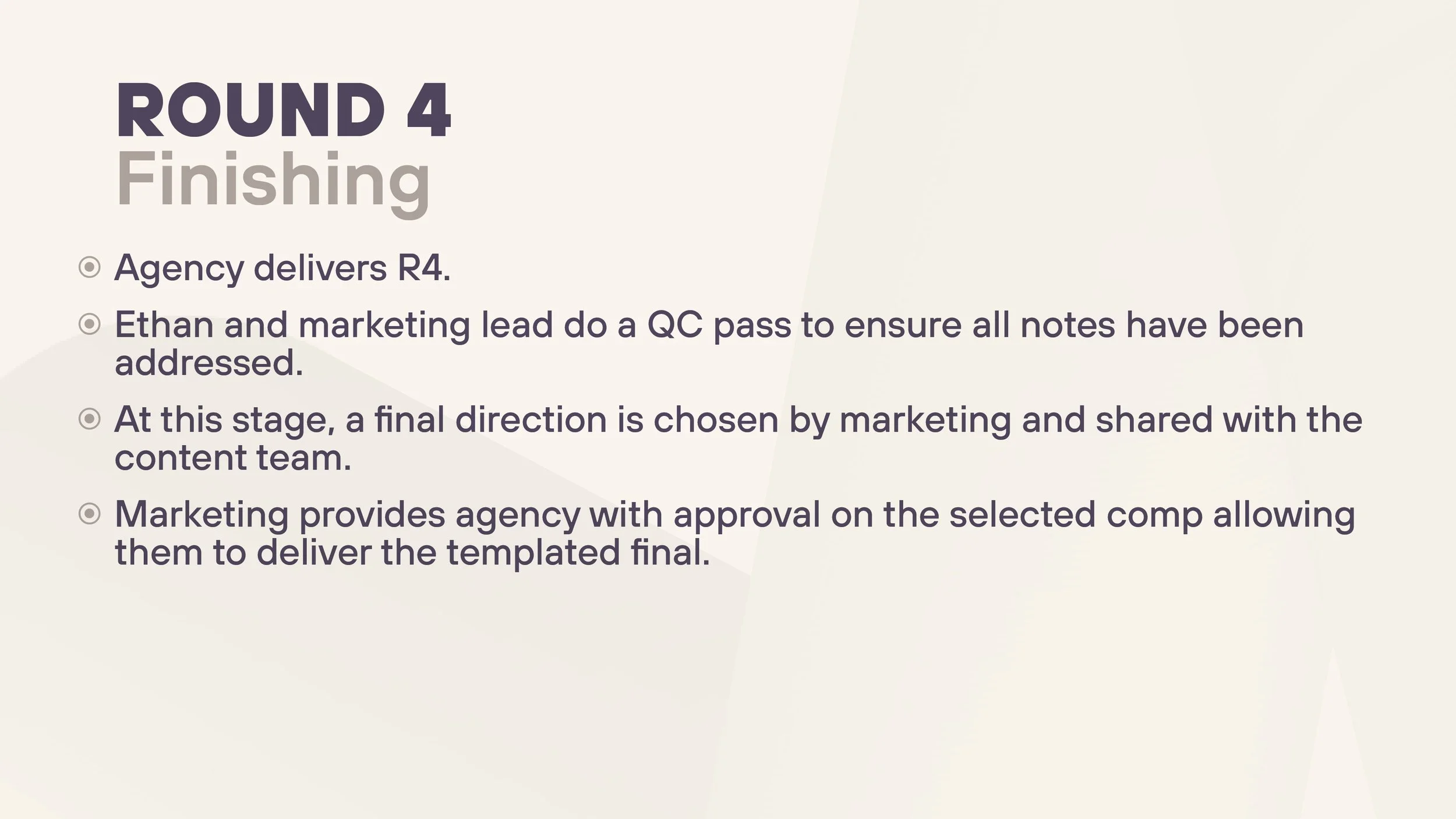
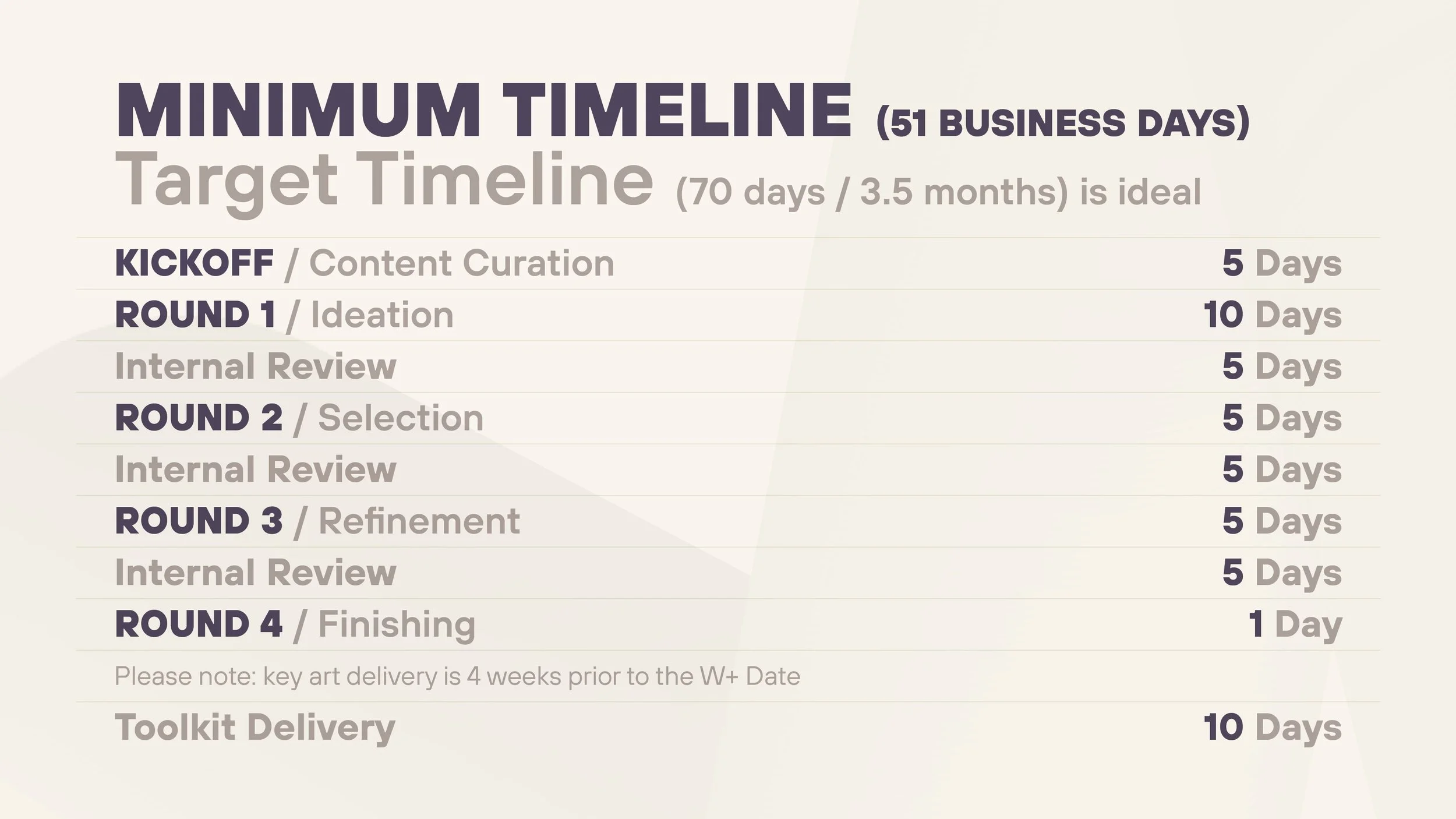
Stakeholder interviews across content, marketing, and production teams surfaced where the friction points lived. A standardized framework was built from the ground up. The result: a cross-functional workflow that formalized every stage of creative development. Kickoff and content curation. Ideation. Selection. Refinement. Finishing. Clear timelines at each gate, defined review periods, and explicit decision-making authority throughout.
Not bureaucracy. Predictability. Development cycles shortened. Delivery schedules became reliable enough to plan campaign launches around. Costs dropped. The expensive late-stage revisions caused by unclear expectations were eliminated.
Throughout 2025, AI workflows were integrated across the department. Prototyping that used to take days now takes hours. Concepts that would have been cost-prohibitive get tested. The operation got faster. The work got bolder.
Below is the live process deck distributed across teams and updated quarterly as the system evolved.